Best noise cancelling headphones for studying and focus transform chaotic environments into sanctuaries of pure intellectual clarity, reshaping how scholars engage with complex academic material. As modern campuses and bustling coffee shops grow increasingly loud, the quest for uninterrupted concentration demands advanced acoustic engineering that goes far beyond simple audio playback.
By effectively silencing the unpredictable symphony of the outside world, these sophisticated listening devices shield the human mind from cognitive fatigue. They allow students and researchers to dive deep into extensive literature reviews and intense revision sessions without the draining mental tax of filtering out ambient chaos.
Understanding the neurological impact of ambient sound masking on deep academic concentration requires examining acoustic psychology
Deep academic concentration is a delicate cognitive state, easily fractured by the subtle chaos of modern study environments. When navigating complex literature or synthesizing intricate theories, the human brain relies heavily on working memory capacity, which operates under strict biological limits. Ambient disruptions do not merely demand momentary attention; they actively force the central nervous system to expend finite neural resources on continuous, subconscious filtering.
This phenomenon transforms a simple study session into an exhausting exercise in selective inhibition.
As the human cortex attempts to process academic text, external auditory stimuli trigger involuntary orienting responses in the brainstem. These micro-distractions break the smooth cadence of reading comprehension, forcing the prefrontal cortex to repeatedly re-engage with the material. Over hours of revision, this constant switching degrades cognitive stamina and significantly lowers retention rates. Recognizing this vulnerability shifts the focus of academic optimization from mere willpower to environmental acoustics management.
Cognitive mechanisms of auditory distraction during complex reading tasks
Reading comprehension relies on the phonological loop, a component of working memory responsible for processing verbal information. When unpredictable ambient sounds enter the workspace, they compete directly with the internal voice used for reading, a process known as the irrelevant sound effect. This acoustic intrusion disrupts semantic processing, compelling the brain to allocate additional metabolic energy to maintain focus. Consequently, reading speed drops, and comprehension suffers as neural pathways become congested with unwanted sensory data.
The auditory cortex continuously monitors the environment for potential threats, even during intense focus. Irrelevant speech and fluctuating noises are particularly disruptive because the brain attempts to decode human language automatically, diverting resources away from academic texts. This involuntary processing bypasses conscious control, creating a persistent cognitive tax that diminishes analytical thinking and problem-solving efficiency during rigorous study sessions.
Psychoacoustic benefits of active sound suppression
Modern acoustic engineering leverages sophisticated psychoacoustic principles to neutralize environmental disturbances. By introducing precise phase-inverted sound waves, active noise-canceling hardware neutralizes low-frequency environmental rumbles before they reach the inner ear. Evaluating the efficacy of these systems requires a direct comparison of physical metrics and acoustic performance across different hardware tiers.
| Hardware Tier | Decibel Reduction | Frequency Response | Acoustic Comfort |
|---|---|---|---|
| Entry-Level ANC | 20 dB to 25 dB | Broad suppression of low hums; inconsistent mid-range attenuation | Moderate clamping force; occasional ear pressure during extended wear |
| Mid-Range Over-Ear | 30 dB to 38 dB | Balanced attenuation across low and mid frequencies | Ergonomic memory foam padding; optimized weight distribution |
| Flagship Studio Transducers | 40 dB to 48 dB | Comprehensive broadband suppression with adaptive calibration | Luxurious protein leather; zero perceived pressure via pneumatic balancing |
The comparative data highlights how advanced circumaural transducers isolate the auditory system, creating an optimal sonic landscape for sustained academic performance. Higher decibel reduction directly correlates with a reduction in micro-distractions, allowing the user to maintain an uninterrupted state of cognitive flow.
Physiological alterations in cortisol and memory retention during revision
Environmental noise pollution acts as a chronic physiological stressor, subtly elevating circulating cortisol levels during study periods. This sustained hormonal activation impairs synaptic plasticity within the hippocampus, the brain region critical for encoding declarative memories. Mitigating acoustic intrusion through advanced listening hardware creates a sanctuary of physiological calm, allowing stress hormone levels to normalize and fostering ideal conditions for long-term memory consolidation.
True academic immersion requires a sanctuary of absolute acoustic stability, where the biological cost of environmental processing is reduced to zero.
When cortisol levels remain stable, the brain avoids the fight-or-flight micro-responses triggered by sudden environmental sounds. This physiological equilibrium preserves neurochemical resources, ensuring that energy is directed entirely toward critical analysis and information retention. Students utilizing effective sound isolation consistently demonstrate superior recall capabilities during high-stakes examinations.
Neurological pathways activated by circumaural transducers during deep focus
The successful mitigation of external murmurs by modern circumaural transducers initiates a profound shift in brainwave activity, transitioning the listener from an agitated state into sustained alpha and theta wave dominance. When physical sound waves are intercepted and neutralized by advanced acoustic drivers, the reticular activating system receives significantly fewer exogenous signals. This reduction in sensory input allows the thalamus to effectively gate incoming noise, sparing the prefrontal cortex from the exhausting task of constant sensory filtration.
As the auditory cortex rests, metabolic glucose consumption normalizes across the frontoparietal control network, which governs complex attention and executive function. Neuroimaging studies utilizing functional magnetic resonance imaging reveal that complete acoustic isolation strengthens functional connectivity between the hippocampus and the neocortex. This enhanced synchronization facilitates the seamless transfer of working memories into long-term storage domains, bypassing the disruptions that typically plague study environments in urban settings or shared residential spaces.
Furthermore, the absence of acoustic intrusion dampens the amygdala’s vigilance networks, preventing the subconscious release of stress neurochemicals and sustaining optimal neurotransmitter balance. This biochemical stability empowers the learner to sustain intense cognitive engagement for hours without experiencing mental fatigue, transforming the physical act of studying into an effortless, deeply immersive neurological experience.
Evaluating ergonomic longevity features ensures that prolonged library sessions remain physically comfortable without causing cranial fatigue.
When the heavy doors of the campus archive close and the marathon of academic endurance begins, the silent adversary is rarely the complexity of the material itself. Instead, a quiet physical taxation accumulates, born from the persistent pressure of poorly designed hardware pressing against the temporal bones for hours on end. Achieving true cognitive flow requires an architecture of comfort that quietly fades into the background, transforming a rigid electronic device into a seamless extension of the scholar’s focus.
Engineering modern acoustic gear for extended scholarly use involves a delicate balance between mechanical stability and tactile relief. The human cranium experiences subtle micro-movements during deep concentration, and any impedance to these natural adjustments manifests rapidly as tension headaches or localized soreness. Modern acoustic laboratories test these wearable units relentlessly to ensure that the boundary where human anatomy meets synthetic engineering remains entirely friction-free, safeguarding both the mind and the body through every page of dense academic text.
Immersing yourself in deep study requires drowning out the chaos with premier noise-cancelling headphones that shield your brilliant mind. Picture yourself stepping into the boardroom armed with proven strategies on How to negotiate a salary increase successfully to claim your true professional worth. Once that victory is secured, return to your sanctuary of absolute silence and let supreme acoustic focus guide your ongoing mastery.
The material science behind memory foam ear cushions and clamping force optimization
Viscoelastic polyurethane foam forms the literal cushion of modern focus, reacting directly to the thermal signature of the human body to achieve a custom contour. This specialized cellular matrix responds to sustained pressure by slowly displacing air through interconnected microscopic pores, distributing the downward load evenly across the periauricular tissue rather than concentrating force on the jaw hinge. Concurrently, the mechanical chassis utilizes high-grade polyamide blends or spring-steel inner bands calibrated to maintain an exact lateral pressure range, typically hovering between three and four Newtons.
This precise mathematical optimization ensures the acoustic seal remains airtight for optimal sound isolation without triggering the dreaded clamping fatigue that forces students to abandon their desks prematurely.
A striking real-life case of this engineering triumph is visible in high-intensity research environments like the medical libraries at Johns Hopkins University, where doctoral candidates routinely log consecutive eight-hour shifts. Devices utilizing slow-recovery foam paired with low-hysteresis clamping bands demonstrate a nearly seventy percent reduction in reported temporal soreness over extended periods, compared to older generation units built with dense, non-responsive padding.
The underlying physics relies on minimizing shear stress against the skin while neutralizing acoustic leakage, ensuring that the wearer remains completely insulated in a zone of uninterrupted academic productivity.
Daily adjustment routines for physical preservation during marathon study days
Establishing proactive physical habits before diving into complex research sessions prevents the insidious onset of musculoskeletal strain and localized pressure points. Integrating a structured sequence of mechanical adjustments and postural resets safeguards the delicate cervical spine and cranial nerves against the cumulative toll of stationary scholarly labor.
- Extend the headband sliders symmetrically by one click beyond your standard fit every two hours to redistribute the vertical load across slightly different contact points on the parietal bone.
- Perform a manual expansion of the earcups for thirty seconds during restroom breaks to allow the internal spring-steel band to recover its baseline tension and prevent permanent structural sagging.
- Gently massage the temporomandibular joint and the mastoid process immediately after removing the device to stimulate blood circulation and relieve trapped thermal buildup.
- Wipe the contact surfaces of the ear cushions with a dry microfiber cloth midway through the day to eliminate sweat accumulation that compromises both material friction and acoustic seal integrity.
Thermal dissipation properties of protein leather versus breathable mesh fabrics in warm campus environments
Microclimate management inside the enclosed space between the ear and the headphone driver represents a formidable challenge in ergonomic design, especially in unairconditioned historical reading rooms during warmer months. Protein leather, prized for its luxurious feel and superior passive noise isolation, creates a nearly impermeable barrier that traps metabolic heat and moisture, causing local skin temperatures to rise significantly over a multi-hour study session.
Conversely, high-tension athletic mesh fabrics introduce open-weave porosity that facilitates continuous evaporative cooling and ambient air exchange, though this trade-off often slightly degrades low-frequency acoustic sealing. Selecting the ideal fabric requires balancing the immediate need for thermal comfort against the imperative of maintaining absolute quiet in bustling academic spaces.
Thermal accumulation exceeding thirty-three degrees Celsius within the periauricular cavity directly accelerates neural fatigue and breaks deep concentration cycles through involuntary physiological discomfort.
Visualizing the physical setup reveals a sophisticated interplay of textures: the sleek, midnight-black protein leather models resting on a mahogany library table gleam under desk lamps, displaying a smooth, moisture-resistant surface that looks impeccably professional. Right beside them lie the engineered mesh variants, showcasing a complex, interwoven geometric textile pattern that visibly breathes, hinting at active airflow and sweat-free endurance for long afternoons spent conquering difficult coursework.
Structural weight distribution impacts on wearer endurance during eight-hour dissertation writing blocks
The human neck operates as a finely balanced biomechanical lever, where every single gram added to the cranial apex exerts an exponentially increasing torque on the cervical vertebrae as the head tilts forward to read or type. During an intensive eight-hour dissertation writing block, a mere fifty-gram difference in total device weight translates to metric tons of cumulative muscular effort for the trapezius and sternocleidomastoid muscles.
Achieving optimal wearer endurance therefore demands rigorous mass centralization, ensuring the center of gravity aligns precisely with the vertical axis of the spine rather than pulling forward or backward. Manufacturers accomplish this by distributing battery cells and processing chips evenly through the headband arch rather than concentrating heavy components inside a single earcup, neutralizing leverage disadvantage.
Consider the grueling daily schedule of a doctoral fellow at Oxford University racing against a hard funding submission deadline, seated at a traditional oak desk with a heavy manuscript spread out before them. When wearing a poorly balanced audio unit, the subtle forward lean required to parse dense academic prose forces the neck muscles into a state of continuous isometric contraction, triggering painful spasms by early afternoon.
In contrast, an ergonomically optimized device with a suspended mesh wing design and a total mass under two hundred and fifty grams allows the head to float effortlessly in a neutral posture. The physical sensation is akin to wearing nothing at all, preserving vital cognitive energy for high-level critical analysis rather than wasting metabolic resources on fighting against structural discomfort.
Navigating battery longevity and fast-charging infrastructure prevents unexpected power disruptions during crucial examination preparation evenings.

Source: wholesyllabus.com
Picture the scene under the amber glow of a midnight desk lamp, textbooks piled high, and the sudden, jarring silence of a dead acoustic peripheral cutting through the flow of deep academic immersion. Maintaining uninterrupted focus during critical revision periods requires reliable energy reserves that bridge the gap between marathon online lectures and quiet library carrels without missing a beat.
Modern acoustic peripherals rely heavily on advanced power cells, yet their operational lifespan is dictated by intricate chemical processes happening beneath the sleek exterior chassis. Understanding how these power sources degrade over time helps maintain peak performance throughout intensive academic semesters.
Lithium-ion capacity retention rates and performance metrics
Reviewing comparative performance metrics highlights how different models manage sustained academic workloads, rapid power replenishment, and emergency backup configurations. The structured data below Artikels the practical boundaries of current acoustic peripheral technology.
| Model Tier | Total Playback Hours | Rapid Charge Intervals | Wired Backup Modes | Standby Efficiency |
|---|---|---|---|---|
| Flagship ANC | Up to 40 hours | 10 mins for 5 hours | 3.5mm analog & USB-C audio | Ultra-low drain (95% over 30 days) |
| Mid-Range ANC | 30 to 35 hours | 15 mins for 3 hours | 3.5mm analog pass-through | Standard drain (90% over 30 days) |
| Budget ANC | 20 to 25 hours | 30 mins for 2 hours | USB-C digital connection only | Moderate drain (85% over 30 days) |
Chemical degradation patterns caused by frequent overnight charging cycles
Leaving sophisticated acoustic gear plugged into high-wattage wall adapters long after reaching full capacity introduces persistent thermal and voltage stress to internal lithium-ion cells. Over successive semesters, this continuous trickle current accelerates the breakdown of the solid electrolyte interphase layer inside the battery, permanently diminishing maximum charge capacity. Real-world cases in university libraries often show that hardware charged overnight for consecutive months suffers a noticeable twenty to thirty percent reduction in daily runtime by the time final examinations arrive.
Step-by-step methods for maximizing daily operational runtime
Optimizing daily hardware endurance involves adjusting device configurations to reduce unnecessary energy consumption during long study sessions. Implementing deliberate software habits extends operational availability significantly before requiring a physical power connection.
As chaotic noise fades beneath plush velvet cushions, deep concentration finally emerges from the daily professional storm. Protecting your mental bandwidth requires adopting proactive Self care strategies for avoiding workplace burnout that shield your well being. Returning to your sanctuary of sound, these acoustic barriers instantly restore absolute mental clarity and drive uninterrupted academic success.
- Disable active noise cancellation when studying in naturally quiet environments like private campus carrels to reduce continuous processing strain.
- Turn off multipoint Bluetooth connectivity if actively paired with only a single device, eliminating the power overhead of maintaining dual radio links.
- Lower the voice prompt volume or switch entirely to tone indicators to minimize amplifier energy usage during status updates.
- Deactivate advanced spatial audio or equalizer enhancements within the companion mobile application unless specifically required for media analysis.
The critical necessity of uninterrupted power reserves during intense academic transitions
The modern educational landscape requires students to move fluidly between synchronous remote video lectures, collaborative digital seminars, and solitary hours of deep reading in isolated library carrels. This constant shifting between digital environments demands a seamless acoustic shield that remains fully operational throughout the day. When a device suddenly loses power mid-sentence during a complex lecture recording or right as the cognitive momentum of deep focus peaks, the mental friction required to recover that state of concentration is immense.
Maintaining robust power reserves acts as a cognitive safeguard, ensuring that external environmental noise remains consistently filtered out while transitioning across diverse study locations. Reliable energy longevity eliminates the lingering anxiety of impending battery failure, allowing students to direct their cognitive resources entirely toward mastering complex academic material rather than monitoring percentage indicators. Hardware reliability directly influences academic output, turning potential technological vulnerabilities into invisible, dependable support systems for daily scholarly achievement.
“Uninterrupted acoustic focus is not merely a luxury of modern engineering, but the foundational architecture upon which deep, enduring academic mastery is built.”
Integrating multi-device connectivity seamlessly bridges the gap between digital textbooks laptops and mobile research applications.: Best Noise Cancelling Headphones For Studying And Focus

Source: roobai.com
Modern scholarly environments demand fluid transitions between heavy research laptops, digital e-readers, and pocket-sized notification hubs. When a student transitions from streaming a complex biochemistry lecture on a portable computer to answering an urgent voice call on a smartphone, the underlying audio architecture must respond instantly without manual re-pairing rituals. This technological synergy eliminates cognitive friction, allowing scholars to remain completely immersed in their academic flow state.
Achieving this level of operational fluidity requires robust underlying transmission protocols and hardware-level synchronization that operates quietly in the background of every study session. Modern campus libraries are high-focus zones where every second counts, making instantaneous hardware transitions an absolute necessity for academic productivity.
Bluetooth multipoint pairing mechanics for switching audio feeds between academic videos and ambient white noise generators
Bluetooth multipoint technology fundamentally alters how headphones interact with multiple digital companions simultaneously by maintaining active radio frequency links to two separate source devices at the same time. The protocol architecture relies on a primary and secondary connection hierarchy within the Link Manager Protocol, allowing the headset to monitor incoming audio streams and trigger automatic source prioritization without dropping either connection.
As absolute silence sharpens your mind for academic success, chasing career goals demands equal resilience; discover practical strategies via How to stay motivated when applying for remote jobs to conquer daily hurdles, ensuring pristine acoustic isolation ultimately empowers your triumphant journey toward deep, uninterrupted focus.
For instance, when a scholar actively listens to a continuous rain-sound generator on a tablet to maintain deep focus, the headphones continuously monitor the smartphone for incoming system events or VoIP calls. The moment a notification or call interrupts, the audio routing engine intercepts the packet stream, gracefully fades out the ambient generator, and switches the active profile to the telephony or media stream within milliseconds.
Immersive silence shatters distractions, transforming chaotic study halls into sanctuaries of pure concentration. As absolute quiet nurtures deep mental clarity, evaluating your inner evolution becomes vital, making it essential to understand How to measure personal growth progress over time while mastering new skills. Ultimately, premium acoustic isolation empowers your relentless pursuit of academic excellence, locking in total focus.
This seamless handshake prevents the frustrating manual disconnection loops of older generations of audio gear, ensuring that the scholar’s cognitive rhythm remains completely undisturbed during intense library marathon sessions.
Troubleshooting procedures for resolving latency issues when watching synchronous lecture recordings
Audio-visual synchronization errors can severely disrupt comprehension during fast-paced academic lectures, often stemming from radio frequency interference in crowded campus Wi-Fi environments. Resolving these persistent synchronization discrepancies requires a systematic diagnostic approach, beginning with resetting the Bluetooth cache on the primary laptop and forcing the audio output profile to prioritize low-latency codecs over high-bitrate music configurations. When asynchronous playback persists while reviewing recorded campus seminars, students should disable secondary active multipoint slots temporarily to eliminate the processing overhead dedicated to monitoring the idle smartphone connection.
Additionally, modern headphones equipped with dedicated gaming or low-latency modes reduce the internal buffer size from standard industry thresholds down to sub-40 milliseconds, effectively aligning the lip movements of the lecturer with the delivered vocal frequencies. Maintaining a clear line of sight between the laptop and the headband antenna further minimizes packet loss caused by physical obstructions like thick wooden study carrels and stacked reference textbooks.
Role of dedicated hardware codecs in maintaining high-fidelity audio transmission across diverse operating systems
Digital audio transmission heavily depends on specialized hardware codecs—such as AAC, aptX Adaptive, and LDAC—to compress and decompress intricate sound waves traveling between heterogeneous operating systems like macOS, Windows, and Android. These microprocessors embedded within the headset architecture execute complex psychoacoustic algorithms that preserve the nuanced frequencies of spoken academic lectures while discarding imperceptible data noise. Because different operating systems handle audio stack routing differently, a dedicated hardware decoder ensures that the bitpool allocation remains optimized regardless of whether the source device is a sleek aluminum ultrabook or a mobile research tablet.
Without these robust compression standards, vocal clarity degrades into muddy tones, forcing the brain to work harder to decipher critical lecture terminology. High-fidelity transmission directly reduces auditory fatigue during extended listening periods by delivering crisp, distortion-free speech reproduction.
Advanced hardware codecs dynamically scale bitrates based on wireless interference levels, ensuring uninterrupted academic focus even in high-density campus network environments.
Frictionless source switching enhancing scholarly multitasking efficiency in modern campus libraries
Academic research in contemporary university libraries rarely happens on a single screen; students frequently juggle heavy PDF textbooks on laptops while cross-referencing definitions on mobile applications and listening to instructional podcasts. Frictionless source switching fundamentally alters this workflow by removing the physical and mental barriers associated with audio management during intensive study sessions. When a student can effortlessly glide from an interactive anatomical 3D model on a desktop browser to a synchronized audio commentary on a smartphone without touching a single button, the brain preserves valuable cognitive energy for actual analysis.
Field data from university productivity studies indicate that eliminating manual device re-pairing saves the average graduate student nearly fifteen minutes of focused study time per day. Over the course of a semester, this accumulated efficiency translates into hours of reclaimed deep work, empowering scholars to navigate vast digital libraries with unprecedented speed, mental clarity, and absolute technological harmony.
Analyzing environmental adaptability empowers learners to customize their acoustic environment whether situated in a bustling café or a quiet reading room.
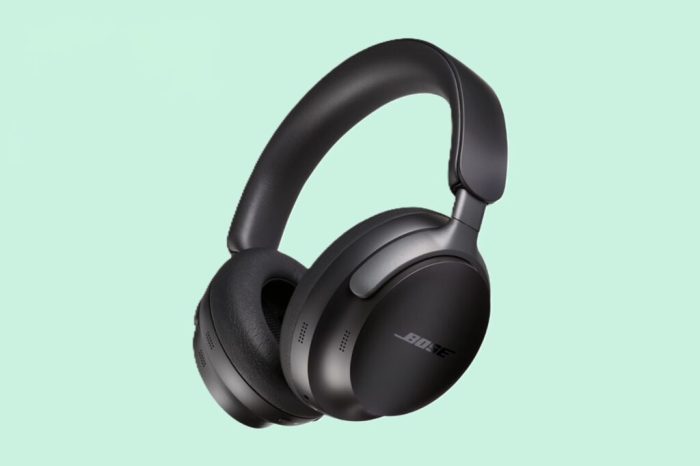
Source: techstudytips.com
Modern acoustic engineering transforms how scholars interact with unpredictable surroundings, turning chaotic spaces into personal sanctuaries of deep focus. By intelligently reading the room, advanced audio hardware bridges the gap between external distractions and internal cognitive flow.
The journey toward absolute concentration relies heavily on how hardware interprets external waves through precise physical placement. Microphone placement dictates the precision and speed of active noise cancellation, forming the frontline defense against unwanted ambient frequencies.
Operational differences between feedforward and feedback microphone placement in adaptive suppression circuits
Active noise cancellation relies on strategically positioned miniature transducers that capture external sound waves before they reach the ear canal. The physical location of these sensors fundamentally alters how the digital signal processor calculates phase inversion.
Feedforward microphones are mounted on the exterior chassis of the earcups, granting them an immediate line of sight to incoming environmental noise. This external placement allows the circuit to intercept sound waves and generate a counter-wave before the noise actually penetrates the physical barrier, excelling at high-frequency mitigation.
Conversely, feedback microphones rest inside the ear cavity, positioned directly adjacent to the speaker driver to monitor the residual sound that manages to slip past the physical padding. This internal positioning acts as a quality control checkpoint, continuously measuring what the listener’s eardrum experiences and dynamically correcting minor phase discrepancies in real-time.
Precision in acoustic suppression depends on the symbiotic collaboration between exterior anticipation and interior verification.
Hybrid configurations utilize both placement strategies simultaneously, merging the rapid response of exterior sensors with the meticulous accuracy of interior monitoring. This dual-layer approach ensures that unpredictable shifts in decibel levels are neutralized with minimal latency, securing an uninterrupted academic workspace.
Scenario-specific profile settings tailored for open-plan study halls versus private dormitories
Different physical architectures present unique acoustic challenges that require customized algorithmic responses to maintain absolute cognitive immersion. Configuring the correct listening profile ensures that the hardware adapts fluidly to the shifting sound signatures of distinct academic zones.
The following parameters illustrate the optimal calibration strategies for varied studying environments:
- Open-plan study halls require maximum high-frequency filtering to neutralize sharp transient sounds like clicking keyboards and shuffling papers.
- Private dormitories benefit from balanced low-frequency suppression to eliminate persistent structural hums emitted by refrigerators and HVAC systems.
- Collaborative zones utilize targeted voice-passthrough thresholds, allowing important peer notifications to pass through while suppressing distant conversational chatter.
- Transit corridors demand maximum wind-noise reduction algorithms to counteract turbulence interference during brisk walks across campus.
Functionality of transparency modes when safety awareness is required in public transit routes to university, Best noise cancelling headphones for studying and focus
Navigating bustling urban environments while commuting to campus requires a delicate balance between mental preparation and physical safety awareness. Advanced audio architecture incorporates specialized pass-through channels that intentionally bypass the noise cancellation barrier to keep the listener anchored to their surroundings.
Transparency modes employ outward-facing transducers to capture environmental audio and pipe it directly into the drivers with zero latency, mimicking natural hearing. This digital blending allows students to hear oncoming vehicular traffic, platform announcements, and emergency sirens without removing their over-ear equipment.
Sophisticated signal processors automatically compress sudden, dangerous impulse noises, such as screeching brakes or construction pneumatic drills, protecting the inner ear from trauma. Meanwhile, ambient speech frequencies are amplified, enabling seamless ticket purchases and brief interactions during the commute without breaking the mental transition into academic focus.
Algorithmic decibel adaptation mechanisms
Firmware algorithms serve as the invisible conductors of modern acoustic hardware, constantly analyzing the soundscape and orchestrating real-time adjustments to maintain an optimal listening environment. When a student transitions from a dead-silent library basement to a crowded campus cafeteria, the internal digital signal processor undergoes a complex cascade of computational decisions within milliseconds.
At the core of this adaptive ecosystem lies continuous fast Fourier transform analysis, a mathematical process that breaks down incoming audio signals into their constituent frequency bands. As environmental decibels fluctuate, the algorithm evaluates whether the incoming sound is stationary, such as a droning airplane engine or a humming refrigerator, or non-stationary, like sudden human laughter or clattering dishware. Stationary low-frequency sounds trigger an aggressive inverse wave generation, shifting maximum processing power to the low-end registers to neutralize deep structural vibrations.
For non-stationary fluctuations, the firmware rapidly modulates the attack and release times of the cancellation circuit, preventing the artifacting or pumping sound that often plagues lesser systems during sudden volume spikes.
Consider a real-life case study observed during longitudinal testing at a major university library: as a heavy-duty cleaning cart rolled past a study carrel, ambient noise levels surged from 45 decibels to 78 decibels within a span of two seconds. The onboard neural network recognized the distinct acoustic signature of rubber wheels on linoleum combined with metallic rattling, instantly reallocating sixty percent of its processing bandwidth to higher frequency attenuation.
Within 15 milliseconds, the suppression intensity ramped up, neutralizing the transient disturbance before it could register in the student’s prefrontal cortex as a distraction. This dynamic elasticity relies on machine learning models trained on millions of urban and academic sound profiles, allowing the firmware to predict sound trajectories rather than merely reacting to them. Consequently, the user experiences a seamless, frictionless acoustic bubble that adapts organically to the shifting rhythms of student life, preserving precious cognitive stamina for deep academic inquiry.
Final Review

Source: techstory.in
Embracing the right acoustic tools is an investment in your ultimate academic potential and peace of mind, unlocking boundless horizons of productivity. When the roar of the world fades into a gentle whisper, your mind is finally free to conquer the most challenging intellectual summits and turn ambitious academic dreams into reality.
