dac and bluetooth converge at the vanguard of modern acoustic engineering, dissolving the boundaries that once tethered pure sound to physical copper cables. In today’s rapidly evolving technological landscape, listeners no longer need to sacrifice mobility for fidelity as invisible radio frequencies seamlessly deliver high-resolution digital audio streams straight into precision conversion hardware. This remarkable marriage of wireless convenience and uncompromising sonic clarity represents a profound shift in how we experience our favorite compositions, turning every mobile device into a portal for pristine, studio-grade listening experiences.
Beneath the sleek exterior of contemporary portable audio gear lies a sophisticated symphony of microchips, antennas, and power management systems working in absolute harmony. When airborne packets of data transform into rich, analog waveforms that caress the ear, listeners bear witness to a triumph of modern engineering where physics and artistry meet. We find ourselves standing on the shoulders of decades of innovation, ready to explore the intricate pathways and hidden complexities that bring untethered sound to life.
Unraveling the Invisible Bridge Where Digital Audio Converters Embrace Wireless Radio Fractions
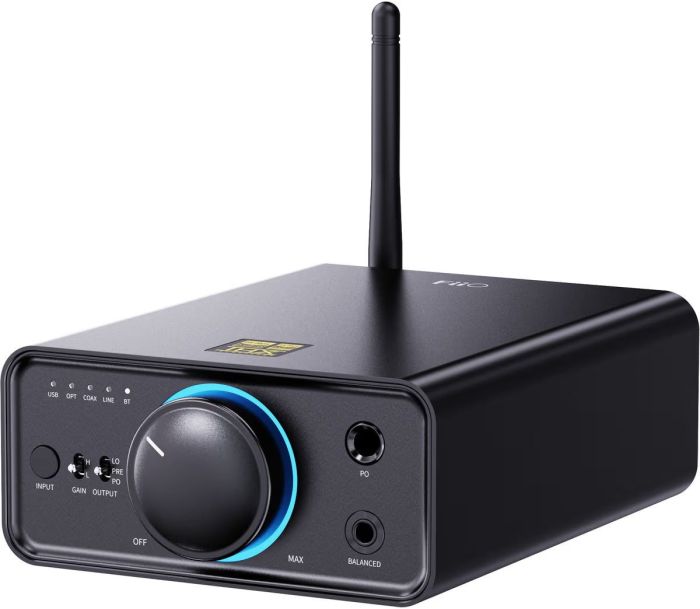
Source: eqaudio.ca
Modern acoustic engineering thrives on the delicate alchemy of transforming intangible data streams into rich, palpable soundscapes that resonate deeply within the human spirit. When untethered audio transmission meets precision circuitry, a silent revolution occurs across the invisible corridors of the electromagnetic spectrum, bringing studio-quality fidelity directly to personal listening devices without the burden of physical copper wires. This seamless convergence represents a masterclass in modern electronic design, marrying the rigorous demands of high-resolution digital-to-analog conversion with the volatile, high-speed choreography of wireless radio frequency communication.
Crisp digital audio signals stream wirelessly through advanced Bluetooth codecs, turning portable listening into a pristine acoustic journey. While exploring paradise via things to do in maui with kids under the golden sun, families create unforgettable memories together. Back at your retreat, elevate those moments further by pairing your high resolution DAC with robust Bluetooth gear for flawless sound reproduction.
Deep beneath the sleek chassis of contemporary portable listening gear lies a sophisticated architectural ballet where invisible airborne packets of data are captured, disciplined, and reborn as continuous analog waveforms. The journey begins as invisible radio frequency waves strike the miniature surface-mounted antenna, inducing microscopic alternating currents that travel along trace routes etched onto multi-layer printed circuit boards. These raw radio signals are immediately handed off to a dedicated radio frequency transceiver integrated circuit, which strips away the carrier frequencies and error-correction wrappers through complex demodulation algorithms.
Once the raw binary data stream is successfully isolated, it travels via high-speed synchronous serial interface protocols directly into the heart of the digital signal processor. Inside this computational core, master clock synchronization actively combats jitter, aligning every individual bit with uncompromising temporal accuracy before handing the meticulously ordered digital data matrix over to the discrete digital-to-analog converter microchip matrix.
Internal Microchip Pathways Translating Airborne Packets Into Analog Waveforms
Navigating the microscopic topography of a modern audio conversion microchip reveals an intricate silicon metropolis where billions of transistors operate in flawless harmony to rebuild the musical continuum. As the serialized digital packets arrive from the wireless receiver stage, they enter a complex digital filter array that oversamples the incoming data stream to drastically reduce quantization noise and smooth out high-frequency stair-step artifacts inherent in digital recording formats.
This purified digital stream then cascades into the current-steering or delta-sigma modulator core, which utilizes advanced switched-capacitor networks to translate binary numbers into discrete electrical charges. These microscopic charges are subsequently integrated across ultra-linear operational amplifiers, weaving the individual discrete voltage steps into a smooth, continuous analog voltage waveform capable of driving sensitive headphone transducers with breathtaking clarity and dynamic range.
The physical transformation of invisible electromagnetic radiation into audible acoustic energy relies on the precise manipulation of high-frequency carrier waves traversing the invisible canvas of the electromagnetic spectrum. During high-bitrate audio streaming sessions, codecs such as LDAC or aptX Adaptive push data throughput rates up to 990 kilobits per second, compressing and packing vast amounts of sonic information into densely modulated radio frequency carriers typically operating within the 2.4 gigahertz Industrial, Scientific, and Medical band.
The physics governing this transmission requires maintaining an extraordinarily high signal-to-noise ratio in environments saturated with competing Wi-Fi networks, Bluetooth accessories, and cellular signals. Specialized phase-shift keying and adaptive frequency hopping protocols dynamically navigate this spectral congestion, ensuring that packets carrying delicate transient details or fragile harmonic decays arrive intact and uncorrupted by atmospheric interference or multipath propagation losses.
High-resolution wireless audio transmission achieves true transparency only when the stochastic chaos of electromagnetic radiation is completely subjugated by deterministic clock synchronization and ultra-low phase noise circuitry.
Achieving absolute signal integrity in portable wireless fidelity hardware demands an uncompromising arsenal of specialized electronic components engineered to tame voltage fluctuations, electromagnetic interference, and thermal drift. The following components form the backbone of this stabilization infrastructure:
- Ultra-low phase noise crystal oscillators, which provide an unshakeable temporal heartbeat that virtually eliminates digital jitter and preserves the phase coherence of delicate high-frequency stereo imaging.
- Low-dropout linear regulators, functioning as dedicated voltage sentinels that isolate sensitive analog conversion stages from the electrically noisy high-frequency switching environments of digital microprocessors.
- Ferrite bead filters and multilayer ceramic decoupling capacitors, strategically positioned along power delivery networks to suppress high-frequency ripple currents and absorb stray electromagnetic radiation before it can contaminate the audio floor.
- Impedance-matched transmission line traces, carefully calculated and routed across the printed circuit board to prevent signal reflections and standing waves from corrupting high-bitrate data streams during transit between the wireless transceiver and the conversion core.
The remarkable miniaturization and reliability we take for granted in today’s wireless audio gear are the direct result of decades of relentless innovation in short-range radio frequency integration and semiconductor packaging. The evolution of this technology began in the late twentieth century with bulky, power-hungry transceiver modules that suffered from erratic connectivity and severe audio compression artifacts, largely relegated to basic hands-free telephone calls.
A major turning point arrived in the mid-2000s with the introduction of single-chip system architectures that combined baseband processing and radio frequency components onto a single piece of silicon, dramatically slashing power consumption and physical footprint. As consumer demand for untethered convenience surged alongside the mass adoption of lossless streaming services, engineers pioneered advanced wafer-level chip-scale packaging and embedded fractal antenna designs, allowing hardware manufacturers to embed robust, studio-grade wireless conversion capabilities into form factors small enough to rest comfortably inside the human ear canal.
Navigating the sonic trade-offs between tethered copper connections and untethered airborne protocols
Stepping into the realm of modern high-fidelity sound reproduction requires a careful evaluation of how we physically link our music sources to amplification systems. Every transmission medium leaves a distinct acoustic fingerprint on the final performance, forcing a delicate balance between absolute fidelity and daily practical convenience. As the audio industry marches forward, listeners continually weigh the unyielding precision of physical cables against the liberating freedom of invisible radio waves.
Physical wiring has long stood as the gold standard for signal integrity, utilizing high-purity copper or silver pathways to guide delicate electrical voltages straight from the source to the transducer. Radio-frequency transmissions, by contrast, must undergo a rigorous transformation process involving digital compression, packetization, and invisible electromagnetic radiation through crowded airwaves before reconstruction can occur at the receiving end.
Audio Resolution Ceilings of Physical Wiring Versus Radio-Frequency Transmissions
The architectural limits of data throughput reveal a stark contrast between tethered and untethered environments. Traditional physical cabling systems easily facilitate uncompressed, high-resolution audio streams reaching 32-bit/768kHz and native DSD formats, maintaining an immense bandwidth headroom that honors every micro-detail of the original studio master. Radio-frequency protocols operate under strict spectral constraints, often forcing aggressive data reduction strategies to maintain stable playback in environments saturated with competing Wi-Fi and Bluetooth signals.
Even advanced codecs struggle to match the raw throughput capacity of a direct physical connection, resulting in a noticeable ceiling on dynamic range and spatial retrieval.
To fully comprehend the operational boundaries separating these two transmission philosophies, industry engineers rely on quantifiable metrics that measure performance under real-world stress. The following comprehensive breakdown illustrates the technical divergence across four critical operational pillars.
| Latency Benchmarks | Bandwidth Capacities | Power Consumption Metrics | Environmental Interference Factors |
|---|---|---|---|
| Wired USB/XLR: 1 to 5 milliseconds | Wired Copper: Up to 49 Mbps (USB 2.0 Audio Class) | Wired Source: Minimal parasitic draw | Wired Copper: Susceptible to ground loops and RF pickup |
| Standard Bluetooth SBC: 150 to 250 milliseconds | Basic Bluetooth: 328 kbps | Passive Wired Transducers: Zero internal battery requirement | Airborne RF: Shielded by physical walls, heavy furniture, and metal structures |
| Low-Latency Codecs (aptX Adaptive): 40 to 80 milliseconds | High-End Codecs (LDAC/aptX Lossless): Up to 990 kbps / 1.2 Mbps | Wireless Receiver: High active draw for DSP and decoding chips | Radio Spectrum: Vulnerable to congestion from 2.4GHz routers and microwaves |
Listener Fatigue Phenomena Associated with Compressed Wireless Data Packages
Extended listening sessions with heavily compressed wireless transmissions frequently introduce a subtle yet debilitating form of auditory exhaustion known as listener fatigue. Psychoacoustic research demonstrates that lossy compression algorithms discard phase information and high-frequency harmonics, forcing the human brain to subconsciously reconstruct missing acoustic cues. This constant neural extrapolation over prolonged periods triggers mental strain, often manifesting as physical tension or a perceived harshness in the upper registers.
When the auditory cortex must continuously compensate for truncated waveform data, the sheer joy of musical immersion slowly degrades into cognitive weariness.
Audiophiles often report that untethered listening feels aggressive over time, lacking the smooth, organic decay and effortless black background characteristic of pristine wired setups.
Psychological Perceptions of Convenience Versus Absolute Acoustic Purity Among Audiophiles
The modern listening landscape is defined by an ongoing philosophical tug-of-war between the unyielding pursuit of absolute acoustic purity and the undeniable allure of untethered mobility. Dedicated enthusiasts frequently experience a profound cognitive dissonance when choosing equipment, torn between the flawless transient response of heavy copper cables and the seamless integration of wireless gear into active lifestyles. This psychological divide shapes purchasing decisions across the global audio market, where manufacturers must constantly innovate to bridge the gap between uncompromising sound staging and the modern demand for frictionless daily operation.
Decoding the proprietary codecs that dictate how modern pocket-sized transmitters converse with desktop amplifiers: Dac And Bluetooth
Invisible algorithms govern the modern acoustic landscape, silently translating raw digital streams into rich analog vibrations that cascade through our headphones. When a smartphone slips into a pocket, it initiates a high-stakes cryptographic dance with the desktop hardware resting on a listening desk. This digital diplomacy relies entirely on proprietary codecs—specialized dictionaries that dictate how audio data is compressed, transmitted, and unpacked across the invisible airwaves.
The translation process is a marvel of real-time engineering, requiring microprocessors to execute millions of calculations per second without introducing perceptible latency. Understanding this machinery reveals the hidden compromises behind every wireless note, exposing the exact mechanisms that turn silent radio waves into soaring symphonies. Behind the sleek aluminum chassis of a portable transmitter and the robust tubes of a home amplifier lies a relentless battle against bandwidth limitations and packet loss.
Compression and transmission protocol comparisons
Evaluating the friction between different audio transport methods requires looking closely at how data is managed before it ever hits the antenna. Lossy compression algorithms aggressively prune audio frequencies that human ears theoretically cannot perceive, whereas lossless protocols preserve every single bit of the original studio master at the expense of massive bandwidth consumption. The following breakdown illustrates these fundamental architectural differences:
- Lossy codecs like SBC and standard AAC employ psychoacoustic modeling to permanently discard masked audio data, achieving transmission rates as low as 328 kbps to ensure uninterrupted playback even in noisy RF environments.
- Adaptive high-bitrate codecs such as aptX Adaptive dynamically scale their compression ratios between 279 kbps and 420 kbps, balancing acoustic integrity against environmental interference by reading real-time packet error rates.
- Lossless transmission protocols like LDAC or aptX Lossless bypass destructive psychoacoustic pruning entirely, forcing up to 990 kbps of uncompressed or lightly compressed data through the crowded 2.4 GHz spectrum, which demands near-zero packet congestion to prevent stuttering.
- Uncompressed wired standards, by stark contrast, allocate dedicated copper pathways capable of moving unhindered streams exceeding 9,216 kbps, operating completely independently of atmospheric radio interference or algorithmic approximation.
Navigating the dense electromagnetic interference of a downtown railway station during rush hour turns wireless audio transmission into an extreme survival test. As thousands of commuter smartphones, Wi-Fi routers, and smartwatches saturate the 2.4 GHz spectrum, the connection between a pocket transmitter and a desktop receiver faces severe packet loss. To prevent catastrophic audio dropouts, the transmitter’s internal controller continuously renegotiates the bitpool allocation—the pool of available bits per audio frame—shrinking the data payload on the fly.
This aggressive throttling drops a high-resolution LDAC stream from its pristine 990 kbps ceiling down to a defensive 330 kbps baseline, sacrificing micro-detail and soundstage depth to maintain a steady, uninterrupted flow of music.
Bitpool adaptation operates as an invisible guardian, gracefully trading audio resolution for connection stability when the electromagnetic ether becomes a chaotic storm of interference.
The exact moment a playback device pairs with a desktop receiver triggers a precise, highly choreographed handshaking sequence measured in milliseconds. First, the transmitter emits a Bluetooth Inquiry scan packet, prompting the receiver to broadcast its device name, supported profiles, and hardware capabilities through the Generic Access Profile. Once the desktop amplifier acknowledges this ping, the Link Manager Protocol establishes a secure baseband connection, followed immediately by Service Discovery Protocol queries to negotiate supported audio codecs.
During this phase, both devices compare their proprietary codec rosters—such as determining whether both hardware chips support Sony’s LDAC or Qualcomm’s aptX—before finally locking onto the highest mutual denominator and opening the synchronized audio streaming channel.
Forcing pocket-sized transmitters to continuously process and stream maximum fidelity codec settings imposes a severe, measurable toll on hardware longevity and battery endurance. Pushing 990 kbps through a high-resolution protocol forces the smartphone’s baseband processor and Bluetooth radio chip to draw up to thirty percent more power compared to standard SBC streaming. This relentless computational load generates localized thermal buildup inside the compact chassis, which in turn accelerates lithium-ion battery degradation over months of daily commuting.
For instance, streaming high-resolution audio continuously on a flagship device can deplete a 4,000 mAh battery up to two hours faster than baseline operation, transforming acoustic ambition into a distinct power management penalty.
Visualizing the architectural layout of a modern circuit board housing both radio transceivers and precision conversion circuits.

Source: fixthephoto.com
Modern audio engineering achieves remarkable feats by housing delicate wireless communication modules and high-precision analog conversion stages on a single, highly compressed circuit board. This intricate microscopic landscape resembles a bustling metropolis at midnight, where invisible radio waves and pristine musical currents must coexist without interference. Designing such a micro-ecosystem requires absolute precision, disciplined spatial planning, and an unwavering commitment to signal purity.
At the microscopic heart of this hardware, gleaming gold-plated copper traces weave meticulously across the substrate, routing delicate electrical currents far away from noisy power management integrated circuits. Picture a network of ultra-thin, highly conductive highways polished to a mirror finish, reflecting amber light beneath the microscope. These gold traces act as vigilant guardians for the micro-volt audio signals, physically distancing them from the chaotic, high-frequency voltage switching occurring inside the power regulation zones.
By leveraging the superior corrosion resistance and conductivity of gold, engineers ensure that minuscule, detail-rich audio data flows smoothly toward the conversion stage, entirely untainted by the electrical turbulence happening mere millimeters away.
Physical shielding methods against radio frequency interference
Radio frequency transceivers emit high-frequency electromagnetic noise that poses an existential threat to sensitive clock oscillators, which dictate the exact timing of digital-to-analog conversion. To quarantine this invisible chaos, hardware designers deploy robust physical shielding methods that encapsulate vulnerable components inside Faraday cages stamped from nickel-silver or mu-metal alloys. These metallic domes act as impenetrable fortresses, trapping stray electromagnetic radiation at the source or deflecting external interference before it can modulate the master clock.
Inside these shielded compartments, ultra-stable crystal oscillators maintain picosecond-level timing accuracy, entirely oblivious to the high-throughput Bluetooth data streaming furiously just on the other side of the metallic barrier.
Maintaining thermal equilibrium inside a tightly sealed, pocket-sized aluminum chassis presents a severe physical challenge, as heat accumulation degrades both semiconductor efficiency and audio clock stability. Engineers implement comprehensive thermal management strategies to continuously draw heat away from power-hungry conversion chips and radio amplifiers.
Modern audio gear relies on pristine digital-to-analog conversion and wireless signals to deliver flawless sound, mirroring how profound personal growth requires deep introspection. By engaging in transformative shadow work exercises , individuals illuminate hidden inner truths to foster lasting mental clarity. Ultimately, just as clearing internal static restores emotional harmony, upgrading your DAC and Bluetooth setup ensures every musical note resonates with crystal-clear acoustic brilliance.
- Direct thermal coupling via thermally conductive silicone pads that bridge the gap between high-heat integrated circuits and the outer aluminum enclosure.
- Utilizing the entire exterior metal chassis as a passive heatsink to dissipate internal thermal energy evenly into the surrounding environment.
- Strategic placement of copper ground planes that double as thermal distribution layers, spreading heat horizontally across the circuit board to prevent localized hot spots.
Ground plane architecture and signal isolation
The integrity of high-fidelity audio relies heavily on the structural separation of digital and analog ground planes, a foundational layout principle that prevents high-speed digital switching noise from bleeding into the analog output stage. In a professionally engineered circuit board, the ground layer is physically bifurcated with a deliberate slit or localized bridge, ensuring that the heavy return currents generated by the microprocessor and wireless transceiver never share a common return path with the ultra-sensitive audio ground.
This calculated division forces noise currents to circulate harmlessly within the digital domain, preserving the absolute black background necessary for high-resolution acoustic reproduction.
Precise spatial separation and electromagnetic containment transform a chaotic battlefield of radio frequencies and power switching into a harmonious sanctuary for pure, unadulterated sound.
Exploring the intricate synergy between miniature lithium power cells and demanding high-amperage output stages
The modern portable audio landscape relies on an extraordinary microscopic balancing act, where pocket-sized enclosures house components that demand substantial electrical current. Engineers constantly push the boundaries of physics to feed power-hungry conversion chipsets from remarkably compact wearable cells. This delicate alliance dictates the acoustic fidelity, dynamic range, and overall operational endurance of today’s advanced personal listening devices.
Delivering pristine current from a constrained energy source requires navigating severe voltage regulation hurdles. As a miniaturized cell discharges, its terminal voltage naturally sags under heavy load conditions, threatening to starve the sensitive analogue output stages of the headroom they require. To combat this, specialized power management integrated circuits must step up or efficiently regulate fluctuating potentials while maintaining an ultra-clean electrical environment.
If the power supply introduces even microscopic ripple currents into the signal path, the resulting intermodulation distortion immediately degrades the transparent soundstage that audiophiles prize. Balancing high-amperage delivery with relentless noise suppression stands as one of the most formidable challenges in modern wearable hardware design.
Voltage Regulation Hurdles in Wearable Audio Power Delivery
Powering a high-performance conversion chipset alongside a robust headphone amplifier from a single miniature lithium cell demands sophisticated engineering topologies. Engineers utilize ultra-low-dropout regulators and high-frequency switching converters that operate far above the human hearing threshold. However, these switching mechanisms inherently generate electrical noise, requiring meticulous PCB layout strategies, multi-layer ground planes, and strategic shielding to keep the noise floor completely silent.
The physical constraints of a wearable chassis mean that thermal dissipation is severely limited, forcing these voltage regulation systems to operate at peak thermodynamic efficiencies to prevent localized heating near sensitive clock generators.
Maintaining absolute silence across the audio band while drawing transient current spikes exceeding one amp from a sub-thousand-milliamp-hour cell remains the ultimate test of power supply architecture.
The operational resilience of portable audio gear depends heavily on the chemical composition of the energy storage medium deployed within the chassis. Different lithium formulations offer distinct trade-offs between internal resistance, volumetric energy density, and thermal stability under duress. The following overview details how various chemistries perform when subjected to the demanding current draws typical of high-end wireless DAC amplifiers.
| Battery Chemistry Type | Discharge Rate Capability | Recharge Efficiency | Longevity Cycles Under Heavy Load |
|---|---|---|---|
| Lithium Cobalt Oxide (LiCoO2) | Moderate (1C – 3C) | 85% – 90% | 300 – 500 cycles |
| Lithium Nickel Manganese Cobalt (NMC) | High (2C – 5C) | 90% – 92% | 500 – 800 cycles |
| Lithium Iron Phosphate (LiFePO4) | Very High (5C – 10C) | 92% – 95% | 2000+ cycles |
| Lithium Polymer (LiPo) | High to Ultra-High (3C – 15C) | 88% – 92% | 400 – 600 cycles |
Circuit Topologies for Maximum Runtime and Noise Floor Suppression
Advanced circuit topologies are deployed to stretch battery longevity without sacrificing the instantaneous transient response necessary for complex musical passages. By implementing dynamic power scaling, the system intelligently throttles supply rails to the output stage depending on the playback volume and impedance of the connected transducer. This ensures that delicate acoustic details remain unmasked by background electrical hiss. Multi-stage filtering networks further isolate the digital processing blocks from the analogue amplification circuits, creating an impenetrable barrier against electromagnetic interference.
Modern audio gear transforms raw digital bits into rich, tangible soundscapes where advanced dac and bluetooth integration redefine personal listening freedom. This pursuit of sonic excellence frequently captures prestigious industry accolades like the visual grand prix , celebrating engineering breakthroughs worldwide. Ultimately, mastering this seamless wireless fidelity ensures your favorite tracks resonate with breathtaking clarity, proving that high resolution audio belongs everywhere you go.
Real-world implementation of these topologies can be observed in flagship portable DAC-amps utilized by professional field recordists and mobile audiophiles alike. These devices often employ parallel linear regulators downstream of high-efficiency switching pre-regulators to achieve the best of both worlds: high energy efficiency and pristine noise performance. Through careful component selection and thermal coupling, engineers ensure that prolonged high-volume listening sessions do not trigger premature thermal throttling or voltage sag.
Crisp DAC and Bluetooth audio signals bridge sound seamlessly, transforming daily workplace function into an energized, focused symphony of modern productivity, ultimately proving that upgrading your office listening setup elevates both clarity and momentum every single day.
Procedure for Diagnosing Premature Power Depletion During Active Streaming Sessions
Identifying the root cause of unexpected battery drainage during high-resolution wireless streaming requires a methodical, step-by-step diagnostic workflow. Technicians and advanced users must isolate whether the power loss stems from software overhead, wireless protocol inefficiencies, or hardware degradation within the power management subsystem. The following diagnostic sequence Artikels the necessary actions to evaluate and pinpoint energy anomalies effectively.
- Monitor the wireless transmission bitrates and codec negotiation states, as continuous fallback protocols and high-packet-loss environments force the radio transceiver to continuously ramp up transmission power.
- Measure the quiescent current draw of the digital-to-analogue conversion chipset while the device is in idle playback mode to detect potential firmware loops or unsuppressed background processes.
- Inspect the thermal signature of the power management integrated circuit using a thermal imaging camera to reveal internal short circuits or inefficient voltage conversion states that dissipate energy as heat.
- Perform a controlled discharge test using a dummy load matching the nominal impedance of typical reference headphones to establish a baseline capacity curve and identify degraded lithium cell chemistry.
Assessing how architectural placement within living spaces influences the fidelity of untethered acoustic hardware.

Source: audiophonics.fr
The invisible theater of wireless high-resolution audio relies entirely on an unobstructed journey through domestic environments. When invisible radio waves traverse a modern residence, every architectural barrier they encounter shapes the final sonic presentation delivered to the listener’s ears. Strategic interior planning transforms an unpredictable domestic landscape into a pristine acoustic highway.
Every living space presents a complex labyrinth of physical obstacles that actively challenge the integrity of high-frequency wireless transmissions. Understanding the microscopic interaction between electromagnetic fields and everyday construction materials reveals why transient dropouts and micro-stuttering persistently plague even the most expensive digital audio setups.
Obstruction Dynamics of Domestic Construction Materials
Concrete structural walls act as formidable physical barricades for high-frequency radio transmissions. Dense aggregates laced with steel rebar absorb and scatter the delicate packets of digital audio data, drastically reducing the effective operating range of modern wireless transceivers. Simultaneously, common household appliances such as microwave ovens, smart refrigerators, and Wi-Fi routers operate on neighboring frequency bands, generating electromagnetic interference that collides directly with airborne acoustic streams.
This invisible turbulence breaks down the continuous bitstream, resulting in momentary artifacts and audible dropouts during critical listening sessions.
Hard surfaces within a room do more than simply block signals; they actively redirect them through chaotic reflection patterns. Glass windows and large metallic elements function like acoustic mirrors for radio frequencies, creating multi-path interference where delayed signal echoes arrive out of phase with the direct broadcast. This phenomenon severely degrades the error-correction capabilities of the DAC receiver, introducing jitter and phase anomalies that diminish the perceived soundstage depth.
Spatial Optimization Tactics for Uninterrupted Audio Transmission
Achieving absolute signal purity requires a deliberate realignment of the physical environment to support unobstructed electromagnetic propagation. Implementing targeted spatial adjustments eliminates unpredictable dropouts and ensures a flawless transmission flow from the source device to the listening station.
- Position the wireless transmitter and the DAC receiver within direct line-of-sight boundaries, avoiding heavy furniture and structural pillars that force the signal to penetrate dense materials.
- Maintain a minimum clearance distance of two meters from heavy-duty kitchen appliances and wireless routers to isolate the audio band from localized electromagnetic pollution.
- Angle large glass panels or employ heavy acoustic curtains to diffuse severe radio frequency reflections before they collide with the primary signal path.
- Elevate both source and receiving units off the floor onto dedicated non-metallic stands to escape ground-plane signal absorption and multi-path interference.
Antenna Radiation Geometry and Spatial Planning Principles, Dac and bluetooth
The physical orientation of internal and external transceivers dictates the spatial coverage map inside any given room. Dipole and monopole antennas project energy in toroidal radiation patterns, resembling a doughnut shape radiating outward perpendicular to the antenna shaft. When architects and audiophiles plan room layouts, recognizing these directional blind spots prevents unexpected signal loss when moving through the listening space.
Precise antenna alignment maximizes directional gain, transforming a loss-prone wireless link into a rock-solid, bit-perfect digital bridge.
Aligning the vertical polarization of both the transmitting smartphone or streamer and the receiving audio dock ensures maximum signal strength across the horizontal plane. Ignoring these fundamental radiation geometries frequently leads to frustrating dropouts whenever the listener shifts position, regardless of the raw processing power embedded within the conversion hardware.
Conclusion
Ultimately, the seamless integration of wireless transmission and precision digital-to-analog conversion proves that convenience and acoustic excellence can coexist without compromise. As engineers continue to push the boundaries of miniaturization, power efficiency, and signal stability, the future of personal audio shines brighter than ever before. Embracing these technological marvels empowers every listener to carry a breathtaking, untethered concert hall right in their pocket, ready to inspire and elevate the human spirit anywhere life takes them.
