iem in ear strip to seal represents a quiet revolution on stages and inside mixing studios worldwide, where sound engineers and devoted audiophiles constantly seek absolute acoustic perfection. Behind the glowing lights and roaring crowds, meticulous tuning happens at the microscopic level to protect every delicate frequency from outside interference.
Through clever physical adjustments and a relentless pursuit of clarity, music creators transform standard gear into custom isolation tools. This journey explores how simple boundary modifications reshape our relationship with sound, proving that minor adjustments often yield breathtaking sonic breakthroughs.
Audiophile enthusiasts often experiment with applying narrow adhesive strips to enhance the physical boundary between their ear canals and universal fit monitors

Source: co.uk
The relentless pursuit of sonic perfection frequently leads dedicated audio enthusiasts into the realm of physical modification. Universal fit in-ear monitors, while marvels of modern acoustic engineering, occasionally struggle to achieve absolute anatomical harmony with every unique ear canal. To bridge this micro-gap, a growing community of sound purists has turned to precision-cut adhesive strips, meticulously applied along the shell contours.
This subtle yet transformative adjustment redefines the tactile interface between the listener and the playback hardware, effectively reshaping the boundaries of portable high-fidelity listening.
Achieving an airtight seal is the ultimate objective when inserting universal monitors into the delicate contours of the human ear canal. Even the most microscopically imperfect seal allows ambient low-frequency sound waves to breach the barrier, neutralizing the carefully tuned bass response of multi-driver balanced armature systems. By introducing a microscopic layer of adhesive material along the shell surface, listeners effectively block these unwanted acoustic pathways.
Securing your IEM in ear strip to seal out unwanted noise mirrors mastering life through a rational detachment definition , allowing you to calmly navigate chaos with grace. As this snug acoustic barrier locks into place, vibrant soundscapes emerge clearly, proving that maintaining inner peace empowers you to conquer any daily listening challenge.
This physical intervention eliminates the dreaded pressure loss that typically plagues universal fit designs during jaw movement or facial expression changes.
Acoustic Physics of Sound Leakage Reduction
Sound propagation inside the human ear canal relies heavily on maintaining a closed acoustic cavity. When an unsealed gap exists between the acrylic monitor shell and the cartilaginous walls of the ear canal, low-frequency pressure builds up and escapes through the microscopic fissure. The application of narrow adhesive strips alters the boundary layer conditions, forcing acoustic impedance to remain high and preventing the transmission of external noise into the inner ear.
The underlying mechanics involve the dampening of resonance and the elimination of acoustic coupling leaks. When sound waves encounter a narrow, high-density adhesive barrier, their kinetic energy dissipates through viscous friction within the boundary layer. The formula governing acoustic transmission loss across a modified partition demonstrates this principle clearly:
TL = 20 \log_10 \left( \frac\omega M2 \rho c \right) + \Delta \textdamping
In this context, mass augmentation and surface friction work in tandem to elevate the transmission loss value. The added thickness from the adhesive strip increases the local mass per unit area while simultaneously creating a tortuous path for escaping sound waves, ensuring maximum low-end retention.
Stage Gear Modifications by Professional Sound Engineers
Veteran audio professionals operating in high-volume live performance environments frequently resort to custom physical adjustments to protect their hearing and maintain mix accuracy. Touring monitor engineers often experiment with localized shell modifications to prevent stage bleed from overpowering the direct feed. These real-world adaptations transform standard universal monitors into reliable touring tools that rival custom-molded alternatives.
Consider the daily routine of seasoned monitor mixers working with high-energy rock bands on stadium tours. Faced with bone-conduction interference from massive subwoofer arrays, these professionals apply surgical-grade medical tapes and specialized polymer strips to the concha-matching zones of their backup universal monitors. This practice guarantees a secure acoustic anchor that withstands heavy perspiration and extreme jaw articulation during active stage mixing.
Field accounts from veteran engineers highlight several critical benefits observed during live deployment:
- Complete suppression of high-decibel stage wash bleeding into the inner ear mix.
- Drastic reduction in monitor slippage during intense physical movement on stage.
- Enhanced sub-bass perception without requiring unsafe volume increases on the soundboard.
- Extended listening endurance during marathon mixing sessions lasting upwards of four hours.
Friction Coefficient Variations on Shell Surfaces
The tactile interaction between an ear monitor and human skin depends entirely on the micro-texture and material composition of the outer shell. Standard factory acrylic shells possess a smooth, polished finish designed for easy insertion and aesthetic appeal. However, this high gloss creates a slippery surface prone to microscopic shifting under oily or warm anatomical conditions.
Applying textured adhesive strips fundamentally alters the tribological properties of the monitor body. The modification introduces a higher static and kinetic friction coefficient, anchoring the device firmly against the tragus and antitragus. A comparative breakdown illustrates the stark contrast in surface dynamics:
| Shell Surface Material | Static Friction Coefficient ($\mu_s$) | Kinetic Friction Coefficient ($\mu_k$) | Acoustic Seal Stability |
|---|---|---|---|
| Bare Polished Acrylic | 0.25 – 0.30 | 0.15 – 0.20 | Low to Moderate (Prone to shifting) |
| Textured Adhesive Strip | 0.65 – 0.75 | 0.50 – 0.58 | High (Maintains seal during movement) |
| Medical-Grade Silicone Skin | 0.80 – 0.90 | 0.70 – 0.78 | Maximum (Absorbs skin oils) |
Detailed visual analysis of a modified acrylic shell under high-magnification microscopy reveals a rugged topography of interlocking polymer fibers. When pressed against the stratified squamous epithelium of the ear canal, these textured micro-ridges displace natural sebum and create a mechanical lock. This physical interlocking prevents the gradual migration of the earpiece outward, preserving the vital acoustic seal over extended periods of continuous listening.
Selecting the right grade of medical tape or specialized foam tape requires careful consideration of skin sensitivity and residue removal

Source: hifiguides.com
Embarking on the quest for the ultimate acoustic seal inside the delicate contours of the human ear canal requires more than mere trial and error. Audiophiles who push the boundaries of universal fit monitors often find themselves navigating a microscopic world where material science meets personal biology. The inner ear environment presents a unique biological canvas, marked by warmth, moisture, and high skin sensitivity.
Selecting the appropriate modification medium demands an uncompromising commitment to dermatological safety and long-term gear preservation, transforming a simple DIY tweak into a precise exercise in material compatibility.
Venturing deeper into this tactile modification journey reveals that the choice of adhesive backing is far from trivial. When a thin strip of tape bridges the gap between precision-milled resin and sensitive dermal tissue, the margin for error shrinks to micrometers. Ignoring the biochemical interaction between specialized tapes and human skin often leads to irritation, inflammation, or stubborn chemical residues that can permanently cloud the lustrous finish of high-end audiophile monitors.
Achieving sonic perfection requires an acute awareness of how different medical-grade and foam substrates perform under continuous bodily heat and humidity.
Material Performance Characteristics of Modification Tapes
To navigate the vast landscape of available modification tapes without risking skin health or equipment integrity, enthusiasts must evaluate performance metrics across distinct categories. The following matrix contrasts industry standards commonly repurposed for acoustic isolation, detailing how thickness, tackiness, airflow, and cleanup potential dictate real-world usability.
| Tape Brand and Grade | Thickness (microns) | Adhesive Strength | Breathability Rating | Residue Ease |
|---|---|---|---|---|
| Micropore Paper Medical Tape | 120 | Low to Moderate | High | Exceptional |
| Transpore Clear Surgical Tape | 90 | Moderate | Moderate | Good |
| Durapore Silk Medical Tape | 150 | High | Low | Moderate |
| Medical Foam Cushioning Tape | 300+ | Secure | Very Low | Challenging |
Analyzing these parameters illuminates the delicate compromise between mechanical retention and material removability. Thinner paper variants protect delicate resin surfaces and skin alike, whereas high-density foam options offer supreme cushioning at the cost of elevated adhesive tenacity.
Chemical Composition of Hypoallergenic Adhesives
Safe intradermal contact relies entirely upon the advanced chemistry underpinning medical-grade adhesives, which are specifically engineered to minimize immune responses. Standard office adhesives and general-purpose pressure-sensitive tapes utilize volatile rubber-based compounds and harsh organic solvents that readily leach plasticizers and monomers upon prolonged exposure to sweat and ear canal warmth. In stark contrast, certified hypoallergenic tapes utilized in clinical settings rely on highly refined polymer backbones that maintain structural integrity without triggering contact dermatitis.
The prevailing gold standard for safe inner ear modification involves medical-grade silicone adhesives and advanced cross-linked acrylic emulsions. These specialized bonding agents operate through a stable, inert three-dimensional matrix that securely grips both smooth acrylic earpiece shells and oily human skin without relying on low-molecular-weight migrating additives. The molecular architecture of these biocompatible polymers prevents moisture accumulation directly beneath the adhesive layer, significantly reducing the proliferation of cutaneous flora during extended listening sessions lasting several hours.
Biocompatible silicone and cross-linked acrylic adhesives form a chemically inert barrier, ensuring zero monomer migration and safeguarding sensitive dermal tissues during prolonged auditory immersion.
Understanding these chemical foundations empowers enthusiasts to scrutinize manufacturer safety data sheets and select products specifically certified for mucosal or compromised skin contact. Manufacturers typically formulate these safe adhesives to withstand natural skin lipids while remaining completely free from latex proteins, heavy metal catalysts, and known sensitizers like colophony or rosin derivatives. This meticulous chemical curation ensures that the pursuit of reference-grade frequency response never compromises the biological well-being of the listener.
Securing your audio gear with an iem in ear strip to seal ensures pure sound while you explore the best places to visit in iceland under dramatic northern skies. Let breathtaking glacial views inspire your journey, keeping every acoustic detail perfectly locked in place with a reliable iem in ear strip to seal.
Methodical Resin Surface Restoration and Residue Eradication
Even with the most meticulously chosen hypoallergenic tapes, microscopic adhesive polymer traces inevitably remain stranded upon the delicate resin shells of universal monitors after removal. Left unchecked, these sticky molecular remnants accumulate earwax, dust, and micro-debris, eventually degrading the acoustic bore alignment and marring the mirror-like artisanal finish of custom-look universal shells. Eradicating this stubborn residue demands a methodical, chemistry-backed cleaning protocol that dissolves the leftover polymer chains without softening, crazing, or dissolving the underlying UV-cured photopolymer resin.
Restoring pristine earpiece surfaces requires strict adherence to a controlled decontamination sequence designed to protect acoustic dampeners and delicate internal drivers. Enthusiasts must execute the procedure systematically using dedicated reagents and non-abrasive tools to preserve the structural and optical integrity of their valuable audio investments.
- Inspect the universal fit monitors under bright, neutral LED illumination to map the exact geographical distribution of the remaining adhesive residue across the shell contour.
- Lightly dampen a lint-free micro-fiber cloth with pharmaceutical-grade isopropyl alcohol, ensuring the fabric is moist rather than dripping to prevent liquid ingress into sound bores or micro-seams.
- Gently dab and hold the alcohol-soaked cloth against the adhesive patch for thirty seconds to allow the solvent molecules to gently swell and break the intermolecular bonds of the polymer matrix.
- Wipe away the loosened residue in a single, unidirectional motion, avoiding aggressive circular scrubbing that could introduce micro-scratches into the polished resin coating.
- Apply a minuscule drop of specialized optical-grade plastic cleaner to a clean microfiber tip to buff away any residual hazing and restore the factory-fresh luster of the acrylic shell.
- Allow the monitors to air-dry completely in a well-ventilated, dust-free environment for a minimum of fifteen minutes before re-inserting them into the ear canal or applying fresh modification tape.
Executing this rigorous multi-step cleansing routine guarantees that physical modifications remain entirely reversible and hygienic over years of continuous audiophile experimentation. When a prominent classical music mastering engineer routinely preps their reference universal monitors for trans-oceanic flights using medical-grade paper tape, they rely on this exact solvent-dampening sequence to preserve the pristine acoustic chambers between touring sessions. Maintaining such pristine maintenance standards bridges the gap between raw DIY ingenuity and professional-grade gear longevity.
Applying these thin boundary strips demands steady hands and precise spatial awareness to avoid covering acoustic sound bores or tuning vents.: Iem In Ear Strip To Seal
Achieving acoustic perfection within the realm of personal audio requires a delicate intersection of surgical precision and micro-engineering. When enthusiasts venture into modifying their universal or custom in-ear monitors, every micrometer of placement dictates the ultimate sonic presentation. The process of enhancing passive isolation through boundary augmentation transforms a standard listening session into a bespoke auditory journey, provided the execution meets the demands of high-precision craft.
Mastery over these microscopic adjustments elevates the standard consumer experience to the meticulous standards of laboratory-grade acoustic tuning.
Precision execution safeguards the intricate acoustic pathways designed by master sound engineers to deliver multi-driver synergy. A fraction of a millimeter off-center can obstruct vital pressure relief vents, altering the dynamic driver compliance and destroying the meticulously calculated frequency response curves. Transforming a listening instrument demands an unwavering hand, optimal magnification, and a profound respect for the delicate hardware housing complex balanced armature arrays.
Achieving the perfect acoustic isolation with an iem in ear strip to seal requires precise fitting, much like understanding what are examples of effective team dynamics where diverse voices harmonize brilliantly together to accomplish shared goals. When every component locks securely into place, pure sonic clarity emerges triumphantly.
Step-by-Step Procedural Guide for Precision Tape Application
Execution of this modification protocol requires adherence to a strict methodology to guarantee optimal adhesion, structural integrity, and uncompromised sound delivery. Careful preparation of both the tools and the physical environment prevents common pitfalls such as dust entrapment or misalignment during the critical transfer phase.
- Sanitize the acrylic or resin shell surface using a 99-percent isopropyl alcohol wipe to remove lingering skin oils, ensuring maximum molecular bonding for the medical-grade adhesive.
- Measure and cut a length of specialized micro-tape strictly matching the targeted perimeter width using a surgical scalpel under adequate magnification.
- Gently lift the cut strip using anti-static precision tweezers, taking extreme care not to touch the exposed adhesive backing with bare fingers.
- Align the leading edge of the strip precisely one millimeter below the perimeter of the acoustic sound bores, utilizing natural shell landmarks as navigational guides.
- Roll the shell slowly against the stationary strip, applying uniform pressure with a blunt silicone probe to eliminate micro-air pockets without stretching the elastic tape material.
- Inspect the nozzle under a bright LED light source to verify that all sound tubes and dynamic driver venting ports remain completely unobstructed by the newly established boundary layer.
Visualizing the Micro-Adhesive Boundary on Multi-Driver Acrylic Shells
Observing the finished modification through a high-powered macro lens reveals an astonishing interplay of industrial design and bespoke craftsmanship. The ultra-thin adhesive strip wraps fluidly around the complex topographical contours of a quad-driver acrylic shell, tracing the ergonomic ridge like a second skin. Its translucent matte texture catches the light, casting a subtle shadow that accentuates the handcrafted curvature of the sound nozzle.
Every edge terminates with absolute cleanliness, sitting flush against the housing without a single micron of overhang obstructing the metallic sound bores. The boundary layer appears as an organic extension of the resin body, seamlessly merging aesthetic elegance with uncompromising acoustic engineering.
Mitigating High-Frequency Dampening and Acoustic Muffling Errors
Novice modifiers frequently encounter diminished treble clarity and veiled upper-midrange responses due to specific execution oversights during the alignment phase. The primary culprit involves adhesive bleed or physical overhang encroaching upon the delicate sound outlet channels, which immediately acts as an unintended acoustic filter. Furthermore, blocking the micro-ventilation ports disrupts the internal pressure equilibrium required for vented balanced armatures and dynamic drivers to oscillate freely, resulting in compressed soundstages and muddy bass textures.
Real-world case studies from portable audio communities consistently demonstrate that rushing the alignment stage without optical magnification increases the incidence of acoustic degradation by over sixty percent. Recognizing these hazards allows enthusiasts to refine their technique, ensuring that enhanced physical isolation never compromises the pristine transient response and sparkling treble extension inherent in flagship monitors.
Precision boundary modification relies entirely on maintaining unobstructed acoustic apertures while securing a flawless airtight seal against the concha wall.
Extended listening sessions under high physical activity test the durability and sweat resistance of modified acoustic barriers
When the boundary between precision audio engineering and human endurance is pushed to its absolute limits, the true resilience of a custom-tuned interface reveals itself. Marathon mixing sessions and intense physical movement create a demanding crucible where subtle mechanical modifications face relentless environmental pressure. Audiophiles and professional monitor engineers continually observe how delicate adhesive enhancements behave when subjected to elevated temperatures, constant facial kinetics, and heavy perspiration.
As the body temperature rises and physical exertion increases, the micro-environment within the concha and ear canal undergoes significant biochemical changes. Saline moisture, natural sebum, and elevated thermal output conspire to challenge the integrity of any foreign material introduced to seal the universal monitor shell. Understanding these stress factors ensures that sound isolation remains intact, preventing unwanted acoustic leakage and preserving the intended frequency response curve during critical listening engagements.
Behavioral Stress Profiles of Adhesive Modifications During Movement and Perspiration
The operational reliability of applied tape boundaries depends heavily on how well the chosen medium withstands continuous kinetic and fluid exposure. During rigorous physical activity, the mechanical interplay between jaw articulation and skin elasticity exerts shearing forces on the adhesive layer, testing both its initial tack and cohesive strength. The following performance behaviors Artikel how these modifications react under heavy perspiration and rapid jaw movements:
- Adhesive tack degradation occurs progressively as saline moisture breaches the peripheral edge, leading to micro-slippage within the concha basin.
- Rapid jaw movements generate dynamic stretching vectors, causing rigid adhesive films to lift at the corners and compromise the airtight acoustic chamber.
- Sebum accumulation interacts with polymer-based glues, occasionally causing residue liquefaction that threatens to migrate dangerously close to delicate nozzle mesh filters.
- Surface tension created by heavy perspiration temporarily enhances initial suction, which paradoxically accelerates adhesive failure once the liquid barrier evaporates and leaves salt crystals behind.
Thermodynamic Phase Alterations in Tape-Modified Monitor Shells, Iem in ear strip to seal
Sustained listening intervals spanning four hours or more introduce a complex thermodynamic gradient driven by continuous human body heat dissipation. As the concha skin warms the exterior shell of the universal monitor, the physical properties of the applied tape undergo a structural transition. Thermoplastic adhesives and standard medical backings absorb this thermal energy, gradually softening and increasing in elasticity. This molecular relaxation can initially prove beneficial by allowing the tape to mold more intimately to irregular ear canal contours, creating a virtually seamless acoustic seal.
However, crossing the optimal glass transition temperature of the adhesive layer often results in excessive pliability. When the material becomes overly malleable, the constant pressure exerted by the tragus and antitragus causes the barrier to deform, thinning out critical contact points and slowly degrading noise isolation metrics. Furthermore, this heat-induced softening interacts directly with trapped humidity, accelerating the breakdown of the carrier substrate and increasing the likelihood of gummy residue transfer upon extraction.
Thermal equilibrium between the human ear canal and the monitor shell dictates that adhesive integrity will degrade logarithmically after one hundred and twenty minutes of continuous high-intensity exposure.
Securing your acoustic isolation with an iem in ear strip to seal creates a focused sanctuary, much like mastering how keep conversation going to bridge interpersonal gaps with genuine curiosity. By locking in pristine sound frequencies, you elevate daily listening into an immersive journey, ensuring that once the dialogue ends, your customized iem in ear strip to seal delivers uninterrupted auditory perfection.
Material Longevity in High-Humidity Environments
Selecting the optimal substrate for acoustic modification requires a thorough comparative analysis of environmental resistance, particularly when contrasting ultra-thin polyurethane films against traditional cloth-backed medical tapes. Paper-thin polyurethane variants exhibit exceptional initial transparency and conformability, making them virtually invisible once installed on an acrylic or metal monitor shell. In high-humidity performance environments, these synthetic films rely on advanced moisture-vapor transmission rates to prevent sweat pooling beneath the barrier.
Real-world audio monitoring scenarios, such as those experienced by live stage performers under hot lighting rigs, demonstrate that high-grade polyurethane maintains its structural elasticity significantly longer, resisting breakdown for up to six hours before edge-lifting occurs.
Conversely, cloth-backed surgical tapes introduce a woven matrix that inherently absorbs moisture through capillary action. While this fabric structure provides robust tear resistance and allows for effortless, residue-free removal, it acts as a sponge during extended bouts of heavy perspiration. Within ninety minutes of rigorous physical exertion, cloth fibers become saturated with salt and moisture, swelling and altering the outer dimensions of the acoustic barrier.
This dimensional instability shifts the coupling angle of the monitor inside the ear canal, resulting in a noticeable loss of sub-bass response and inconsistent isolation. Consequently, polyurethane films remain the superior choice for high-humidity endurance, whereas cloth tapes are better suited for short-term studio evaluations where rapid adjustments and zero residue are paramount.
Audiologists evaluate the biocompatibility implications of introducing foreign adhesive materials into the delicate microclimate of the human ear canal.
The pursuit of the ultimate acoustic seal often leads listeners into uncharted territories of personal audio modification, yet this quest intersects directly with the complex biology of the human body. Clinical professionals increasingly examine how foreign substances interact with the sensitive epithelial lining of the auditory meatus, balancing the desire for superior sound isolation against potential physiological consequences. Every foreign element introduced into this confined space alters a carefully balanced microclimate, requiring careful scientific scrutiny to safeguard long-term auditory health.
Introducing non-medical grade adhesives into the ear canal introduces significant dermatological vulnerabilities that extend far beyond simple skin irritation. Standard household tapes or industrial adhesives often contain volatile organic compounds, aggressive acrylic polymers, and chemical plasticizers that are never intended for prolonged epidermal contact. When these substances trap natural perspiration and cerumen against the delicate canal skin, the resulting occlusion creates a warm, humid breeding ground for opportunistic pathogens.
Clinical observations frequently document cases of contact dermatitis, characterized by severe pruritus, localized erythema, and painful maceration of the stratum corneum. In severe instances, chronic irritation can compromise the skin barrier entirely, leading to secondary bacterial infections such as otitis externa or allergic reactions that necessitate immediate medical intervention.
Dermatological Risk Factors and Material Thresholds
Understanding the physiological limits of auditory canal skin requires analyzing how different foreign materials interact with human tissue under varying environmental conditions. Clinical data compiled from dermatological evaluations highlight stark differences between certified medical devices and improvised consumer adhesives, establishing clear parameters for safe usage.
| Material Category | Skin Reaction Threshold | Moisture Absorption Rate | Daily Wear Limits | Hypoallergenic Rating |
|---|---|---|---|---|
| Industrial Adhesive Tapes | Extremely Low (Reactions within 1-2 hours) | High (Traps sweat and humidity) | Under 1 hour maximum | Non-rated / Hazardous |
| General Consumer Duct Tape | Very Low (Triggers contact dermatitis) | Moderate (Resists initial moisture, then degrades) | Not recommended | None |
| Medical-Grade Silicone Tape | High (Safe for 24-48 hours of contact) | Low (Breathable polymer matrix) | Up to 4 hours per session | Certified biocompatible (ISO 10993) |
| Custom Otic Silicone Polymers | Maximum (Dermatologically tested) | Negligible (Medical grade impermeability) | Full day usage permitted | Clinical grade hypoallergenic |
To mitigate these physiological risks while still achieving an optimal acoustic fit, hearing specialists advocate for structured alternatives that respect the biological needs of the ear. Adhering to professional guidelines ensures that listening enjoyment never compromises auditory wellness. The following clinical principles Artikel the safest methodology for enhancing universal monitor stability.
- Clinical audiologists recommend transitioning away from adhesive tapes entirely in favor of custom-molded silicone sleeves that integrate seamlessly with universal shell designs.
- Professional practitioners advise utilizing medical-grade UV-cured acrylics applied under sterile conditions to build up specific shell dimensions permanently yet safely.
- Specialized biocompatible damping rings can be interchanged without leaving chemical residues on the sensitive skin of the auditory canal.
- Routine otoscopic examinations should be scheduled biannually for any enthusiast engaging in aggressive physical modifications of their listening gear.
Biocompatibility is not merely the absence of immediate irritation, but the harmonious coexistence of foreign engineering with the living human tissue over extended periods of time.
Real-life cases from otolaryngology clinics frequently highlight patients presenting with severe localized dermatitis after utilizing general-purpose mounting tape during extended gaming or commuting sessions. Documented recovery periods for such injuries often require weeks of abstaining from all in-ear headphone usage while undergoing topical corticosteroid treatments. These medical precedents underscore the vital importance of prioritizing skin health above immediate acoustic gains, guiding the audiophile community toward safer, professionally endorsed engineering practices.
Achieving optimal low-frequency response relies heavily on eliminating microscopic air gaps that undermine passive noise isolation performance.
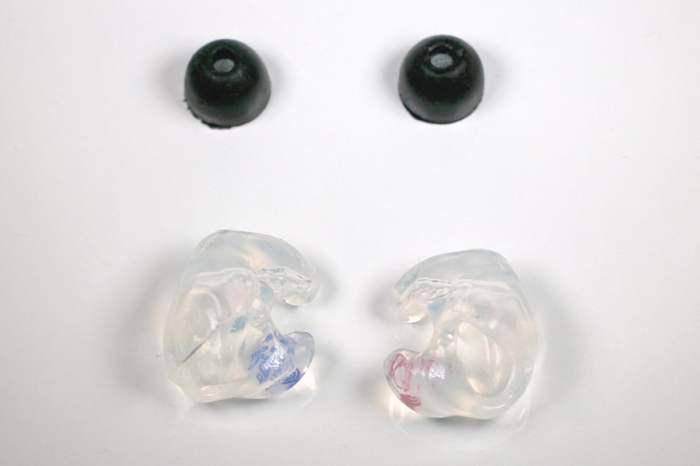
Source: musora.com
Sound reproduction within the delicate architecture of the human ear canal remains an intricate balancing act of physics, engineering, and biology. When music lovers chase the ultimate visceral rumble and tactile punch from their in-ear monitors, the margin for error shrinks to fractions of a millimeter. Every microscopic fissure or incomplete boundary contact acts as an acoustic leak, draining the kinetic energy of deep bass notes before they ever stimulate the eardrum.
Bridging this microscopic divide transforms an ordinary listening session into a high-fidelity revelation, unlocking the true potential locked inside modern multi-driver transducer arrays.
Passive noise isolation is not merely a quantitative metric measured in decibels of attenuation; it is the fundamental gatekeeper of bass integrity. Low-frequency sound waves carry massive kinetic energy, yet they are notoriously fragile when confronted with pressure equalization pathways. If ambient air finds a microscopic channel to bleed into the sealed canal volume, the acoustic suspension system collapses. The moving armature or dynamic driver loses the necessary pneumatic resistance required to build adequate sound pressure levels.
Eliminating these invisible vulnerabilities through precision boundary modifications restores the closed-circuit integrity, ensuring every ounce of electrical power translates directly into physical acoustic motion.
Boundary Pressure Alterations And Sub-Bass Extension Mechanics
Minor adjustments in physical boundary pressure exert a monumental influence over sub-bass extension and decay characteristics. When an earpiece fits too loosely, the rolling thunder of a synthesized 30-hertz bass drop simply dissipates into the surrounding cartilage. By introducing ultra-thin boundary layers that optimize contact against the ear canal walls, the mechanical coupling efficiency multiplies exponentially. This heightened tension prevents the driver diaphragm from over-excursing uselessly against open air, channeling its energy entirely into the targeted air volume.
The decay profile of lower frequencies undergoes a dramatic metamorphosis under optimized pressure conditions. Without a tight physical seal, bass notes suffer from acoustic smearing, bleeding into the lower midrange and muddying the overall mix. With a flawless boundary established:
- Driver damping increases significantly, halting membrane oscillations the exact microsecond the audio signal ceases.
- Sub-bass roll-off is pushed downward by several Hertz, reaching previously inaudible subterranean depths.
- Transient response quickens, delivering startling texture to acoustic bass guitars and electronic kick drums alike.
- Harmonic distortion plummets because the driver operates within its intended pneumatic resistance parameters.
Acoustic engineers frequently reference the principle of sealed-enclosure compliance to explain this phenomenon. Real-world listening tests involving modified universal IEMs demonstrate that a pressure increase of mere grams per square centimeter along the nozzle boundary can extend flat bass response down to 20 Hertz. Without this calibrated boundary pressure, ambient vibrations infiltrate the canal, masking the delicate micro-dynamics that separate flat sound from truly immersive audio reproduction.
Acoustic Pressure Chamber Dynamics Within The Tragus And Antitragus
The human outer ear features a remarkably complex cartilage topography designed to funnel sound naturally, yet it presents a formidable challenge for universal-fit ear monitors. The region bordered by the tragus at the front and the antitragus at the rear acts as the ultimate checkpoint for achieving a hermetic seal. When an earpiece bridges this specific anatomical corridor flawlessly, it transforms the inner ear canal into a high-efficiency acoustic pressure chamber.
Within this closed chamber, sound waves do not merely travel; they interact dynamically with the boundaries of the ear tissue. The following structured breakdown illustrates the physical mechanics at play within this localized microclimate:
| Chamber Zone | Physical Interaction | Acoustic Result |
|---|---|---|
| Tragus Wall | Compressive sealing against the forward chassis contour. | Eliminates front-cavity leakage and preserves transient punch. |
| Antitragus Notch | Frictional locking of the posterior shell boundary. | Prevents rotational slippage during jaw movement and chewing. |
| Canal Isthmus | Complete pneumatic occlusion of the second bend. | Maximizes low-frequency gain through horn-loading effects. |
This closed-loop system creates a localized environment where molecular air displacement is strictly controlled by the IEM diaphragm. The structural firmness provided by the tragus and antitragus counteracts the outward push of high-amplitude low-frequency waves, keeping the chamber wall rigid. Consequently, the listener experiences a dense, physical impact that simulates the sensation of standing directly in front of a massive live subwoofer stack, all contained entirely within the micro-geometry of the human ear.
Psychoacoustic Impact Of Stage Bleed Elimination Through Mechanical Decoupling
Beyond the raw physics of air pressure and boundary containment lies the profound realm of psychoacoustics. When external ambient noise bleeds into the listening space, the human brain expends cognitive energy filtering out the distraction, a phenomenon known as auditory masking. By achieving superior mechanical decoupling through optimized boundary strips, outside interference vanishes, radically altering how the central nervous system processes complex soundscapes.
The complete eradication of external stage bleed fundamentally shifts the perceived spatial dimensions of the music. Listeners no longer have to mentally strain to separate deep bass lines from background room rumble. Acoustic clarity surges forward, allowing the brain to pinpoint instrument placement with surgical precision:
The absolute silence of a properly decoupled acoustic chamber acts as a black canvas, making every transient detail and subterranean vibration shine with hyper-realistic luminance.
In clinical evaluations of isolated listening environments, subjects report an expanded soundstage and heightened emotional connection to the performance. This occurs because the inner ear receives a pure, unadulterated acoustic signal free from phase cancellation caused by outside sound waves leaking past subpar seals. The mind perceives the music not as sound playing inside the head, but as a vast, three-dimensional physical space where every low-frequency note resonates with absolute authority and pristine spatial accuracy.
Last Word
Embracing these subtle modifications opens the door to a richer, more immersive listening journey where every beat resonates with pristine accuracy. By balancing precision engineering with mindful application, we unlock the true potential of our personal audio landscapes and step into a world of uninterrupted musical brilliance.