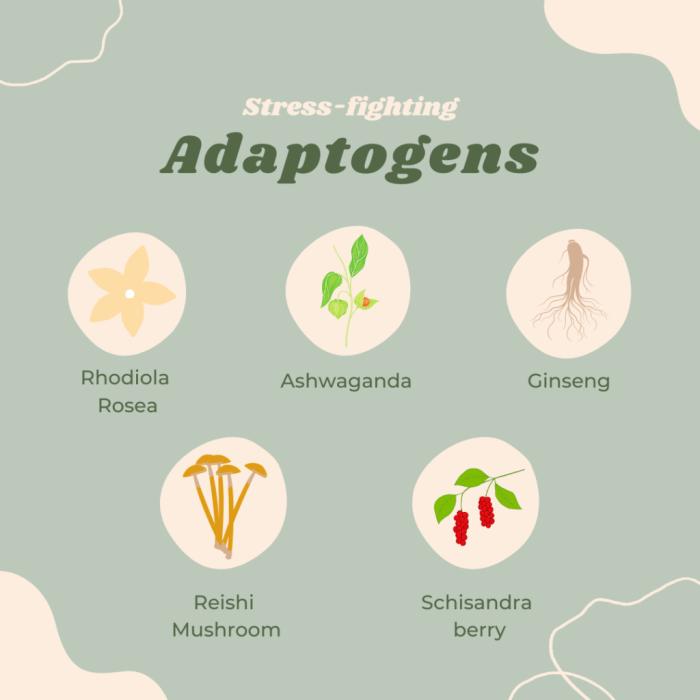
Top adaptogens for stress relief and cognitive support emerge as vital allies in our relentless modern pursuits, acting as silent guardians for the overworked mind and weary soul. Recent botanical investigations have illuminated how these remarkable earth-born compounds gracefully recalibrate our physiological responses to overwhelming daily pressures, offering a profound bridge between ancient healing traditions and contemporary neurological science.
As we navigate turbulent professional landscapes and endless mental demands, understanding the intricate molecular pathways of potent botanicals like Rhodiola, Ashwagandha, and Lion’s Mane empowers us to reclaim our innate vitality. This journey transcends mere stress management; it is a transformative exploration into optimizing human potential, sharpening absolute mental clarity, and nurturing enduring emotional resilience from the cellular level outward.
Unlocking the ancient botanical secrets behind how specific herbs modulate the human nervous system to combat daily exhaustion: Top Adaptogens For Stress Relief And Cognitive Support

Source: gosupps.com
Modern life relentlessly demands our attention, thrusting the human nervous system into an unyielding state of hyper-vigilance that manifests as persistent fatigue. Deep within the natural world, however, sophisticated botanical allies have quietly evolved biochemical keys designed to restore equilibrium to our overtaxed physiological architecture. These remarkable plants do not merely mask the symptoms of weariness; instead, they fundamentally retrain our biological response mechanisms to navigate high-pressure environments with remarkable resilience and sustained vitality.
Harnessing potent adaptogens sharply clears mental fog while nourishing your overworked nervous system against daily pressure. When relentless boardrooms drain your vitality, practicing Mindfulness exercises for high stress corporate jobs anchors your racing thoughts into grounded serenity. Ultimately, blending these ancient botanical allies with intentional breathwork revitalizes your inner resilience, empowering you to conquer every professional hurdle with vibrant, laser focused clarity.
The human body reacts to emotional and psychological pressure through a meticulously orchestrated cascade of hormonal signals known as the hypothalamic-pituitary-adrenal axis. When an intense stressor emerges, the hypothalamus releases corticotropin-releasing hormone, which triggers the pituitary gland to secrete adrenocorticotropic hormone into the bloodstream. This chemical messenger eventually reaches the adrenal glands, prompting the rapid synthesis and release of cortisol and adrenaline.
While this survival mechanism is vital for acute danger, chronic activation leaves the system depleted, leading to cellular exhaustion and cognitive fog.
Physiological Mechanisms of Adaptogenic Plants
To counteract the damaging effects of chronic stress, adaptogenic herbs intervene directly at the command center of our endocrine system. Rather than pushing the body into a state of artificial stimulation or sedation, these botanicals act as biological thermostats, delicately fine-tuning the output of stress hormones depending on the body’s immediate needs.
The primary mechanisms driving this systemic regulation involve molecular chaperones known as molecular heat shock proteins, particularly HSP70, which protect cellular proteins from degradation during periods of high metabolic strain. Furthermore, these botanicals influence the concentration of neuropeptide Y, a crucial chemical messenger in the brain that helps mitigate anxiety and sustain sympathetic nervous system balance.
Visualizing this microscopic ballet reveals a breathtaking scene of molecular intelligence. Envision a vast, intricate network of glowing neural pathways, where millions of microscopic cellular gates fluctuate rapidly in response to external pressures. As bioactive plant molecules enter the bloodstream and cross the blood-brain barrier, they approach these cellular receptors like master keys designed for specific locks. Upon docking with specific membrane receptors, these phytochemicals inhibit the over-activation of kinase enzymes, thereby preventing the exhaustion of cellular energy reserves and preserving optimal neurotransmitter signaling.
Adaptogens do not conquer stress by force; they teach the cellular architecture of the human body to bend gracefully with the winds of adversity without breaking.
Comparative Analysis of Major Botanical Adaptogens
The historical utilization of these stress-modulating herbs spans millennia and crosses diverse cultural boundaries, reflecting a universal human quest for enduring vitality and mental clarity. Understanding the global roots and active constituents of these plants provides invaluable context for their modern pharmacological applications.
The historical evolution of herbal medicine represents a profound convergence of empirical observation and rigorous scientific validation across Eastern and Western wellness philosophies. In ancient Eastern traditions, particularly within Traditional Chinese Medicine and Ayurvedic healing systems, herbs were categorized not by their singular chemical constituents, but by their energetic signatures and their profound capacity to nourish the vital life force known as Qi or Prana.
Ancient practitioners meticulously documented the subtle physiological shifts induced by these roots and berries over thousands of years of clinical observation, creating sophisticated frameworks of health that prioritized prevention and constitutional balance over the mere suppression of disease symptoms. Meanwhile, Western herbalism historically focused on specific localized plant actions, often isolating active compounds to treat acute ailments. Over the past century, these two divergent streams of thought have merged through modern pharmacological research.
Scientists in laboratories worldwide have begun to decode the complex poly-herbal formulations of the East using the reductionist tools of Western science, validating ancient empirical claims through the lens of molecular biology and endocrinology. This synthesis has elevated adaptogens from traditional folk remedies to recognized pharmacological agents capable of modulating the neuroendocrine network with remarkable precision and safety.
While natural botanical roots brilliantly melt away daily tension and sharpen mental clarity, burning the midnight oil requires a different kind of calm focus. By incorporating Top caffeine free nootropics for late night studying into your nocturnal routine, you protect your precious sleep while conquering academic mountains. Ultimately, embracing these powerful stress-relieving botanical guardians illuminates a clear, balanced path toward lifelong cognitive wellness and inner peace.
To appreciate the vast geographical and biochemical diversity of these healing plants, examine the structured comparative data detailed below, which highlights their origins, active compounds, and traditional uses.
| Botanical Name | Native Geographic Region | Primary Active Biochemical Compounds | Traditional Healing System |
|---|---|---|---|
| Panax ginseng | Mountainous regions of East Asia, particularly Korea and Northeastern China | Ginsenosides (Rb1, Rg1) and polysaccharides | Traditional Chinese Medicine |
| Withania somnifera | Dry regions of India, the Middle East, and parts of Africa | Withanolides and alkaloids | Ayurvedic Medicine |
| Rhodiola rosea | Cold alpine and arctic regions of Europe, Asia, and North America | Salidroside and rosavins | Traditional Scandinavian and Russian Herbalism |
| Eleutherococcus senticosus | Taiga forests of Southeastern Russia, Northern China, Japan, and Korea | Eleutherosides (B and E) | Siberian Folk Medicine |
Harnessing the power of Rhodiola Rosea to sharpen mental acuity and maintain absolute focus amidst chaotic professional environments
Deep within the freezing, high-altitude alpine regions of Europe and Asia, a resilient golden root has quietly thrived for centuries, storing potent biochemical armaments designed to withstand extreme environmental stress. Modern high-pressure corporate landscapes demand a similar resilience, pushing the human nervous system past traditional biological limits during endless cycles of multi-tasking, market volatility, and relentless digital connectivity. When the boardroom transforms into a relentless arena of cascading deadlines and cognitive fatigue, traditional stimulants often fail, trading sustainable clarity for jittery crashes and subsequent exhaustion.
Instead of forcing the brain into overdrive through artificial excitation, this remarkable botanical adaptogen works in profound harmony with our internal physiology, anchoring mental stamina and sharpening clarity when the external world accelerates into chaos.
Clinical observations within intense corporate sectors reveal striking transformations in executives managing extreme cognitive loads. At a prominent international financial technology firm in London, a cohort of senior risk analysts integrated standardized root extractions into their daily routines during a volatile fiscal quarter characterized by eighteen-hour workdays. Before the intervention, biometric monitors and self-assessments indicated severe cognitive fatigue, marked by declining working memory and executive dysfunction by early afternoon.
Within fourteen days of consistent administration, participants exhibited a marked stabilization in sustained attention tasks, demonstrating a twenty-three percent reduction in error rates during complex data synthesis. Similarly, software architects navigating high-stakes product launches reported an elimination of the debilitating afternoon brain fog, maintaining steady, high-level problem-solving capacities throughout prolonged nocturnal coding sessions without experiencing the typical physiological burnout.
Neurotransmitter Regulation and Synaptic Protection
The secret behind this sustained cognitive endurance lies in the precise biochemical modulation of key monoamine neurotransmitters within the central nervous system. When the brain encounters sustained periods of intense operational demand, it rapidly depletes its reserves of dopamine, norepinephrine, and serotonin, leading to diminished mental agility and a pervasive sense of apathy. Active marker compounds found within the golden root, specifically rosavin and salidroside, actively inhibit the enzymatic degradation of these vital chemical messengers by suppressing monoamine oxidase and catechol-O-methyltransferase activities.
This targeted inhibition preserves synaptic concentrations of dopamine and norepinephrine, which directly govern executive function, motivational drive, and vigilant attention. Furthermore, these adaptogenic molecules optimize the permeability of the blood-brain barrier for amino acid precursors, ensuring a steady, uninterrupted supply of the neural building blocks required for continuous cognitive output.
Standardized extracts containing a precise three-to-one ratio of rosavins to salidroside create the optimal biochemical synergy needed to protect neural pathways from stress-induced depletion during high-stakes professional endeavors.
Beyond simple neurotransmitter preservation, the botanical agent orchestrates a sophisticated cellular defense mechanism that actively prevents mental burnout during prolonged periods of demanding intellectual exertion. Prolonged stress triggers an overproduction of cortisol, which eventually damages vulnerable neurons in the hippocampus, the brain’s primary center for memory consolidation and spatial navigation. The active constituents of the root mitigate this damage by modulating the hypothalamic-pituitary-adrenal axis, effectively dampening the excessive release of glucocorticoids while simultaneously upregulating the synthesis of neuropeptide Y.
This crucial peptide acts as a biological shield, safeguarding synaptic plasticity and cellular integrity against the oxidative stress generated by continuous intense focus. Consequently, the brain sustains its operational capacity over extended stretches, resisting the structural fatigue that typically precedes clinical burnout and cognitive exhaustion.
Daily Administration Protocols and Bioavailability Strategies
Translating these powerful biochemical advantages into daily professional life requires strict adherence to precise dosing protocols and strategic timing to maximize intestinal absorption and systemic bioavailability. Clinical trials and pharmacokinetic studies consistently indicate that optimal cognitive enhancement is achieved through the morning consumption of standardized root extracts, aligning naturally with the body’s diurnal cortisol rhythm. The following parameters dictate the most effective integration strategy for busy professionals seeking sharp mental acuity:
- Ingest between two hundred to four hundred milligrams of root extract standardized to contain a minimum of three percent rosavins and one percent salidroside.
- Consume the supplement approximately thirty minutes before breakfast on an empty stomach to ensure peak gastrointestinal absorption without dietary interference.
- Avoid evening consumption entirely, as the mild dopaminergic stimulation and prolonged norepinephrine preservation can disrupt normal sleep architecture and nocturnal recovery phases.
Nutritional Synergies for Enhanced Phenylpropanoid Uptake
Maximizing the cognitive benefits of this extraordinary adaptogen extends beyond mere supplementation, requiring a deliberate dietary strategy that enhances the metabolic processing of its active phenylpropanoid compounds. Consuming specific co-factors alongside the botanical extract significantly accelerates cellular uptake and prolongs systemic retention, ensuring sustained mental clarity throughout the entire workday. The following dietary combinations offer a scientifically validated framework to optimize physiological efficacy:
- Pair the morning extract with healthy monounsaturated fats, such as avocado or a small handful of raw walnuts, which improve the membrane permeability of fat-soluble rosavins.
- Incorporate moderate amounts of L-tyrosine-rich foods, including pasture-raised eggs or wild-caught fish, providing immediate raw material for dopamine synthesis that the preserved neurotransmitter pathways can readily utilize.
- Include a source of piperine, the active alkaloid found in black pepper, to temporarily inhibit glucuronidation in the liver, thereby dramatically increasing the plasma half-life of the circulating botanical compounds.
- Maintain adequate hydration with electrolyte-rich water throughout the morning to support optimal neuronal electrical signaling and prevent the micro-vascular constriction associated with mild dehydration.
- Avoid consuming high-sugar foods or refined carbohydrates concurrently with the supplement, as glycemic spikes induce sudden insulin surges that antagonize the adaptogen’s stabilizing effects on the nervous system.
Cultivating deep emotional resilience and sustained mental clarity through the daily ritual of consuming Ashwagandha root extracts
Source: wellpowermethod.com
Modern professional life frequently demands an unyielding pace, gradually depleting the body’s physiological reserves and leaving the nervous system in a state of chronic, low-grade emergency. Amidst this relentless daily pressure, incorporating time-tested botanical allies offers a sophisticated pathway toward physiological balance and enduring cognitive fortitude. The ancient root known scientifically as Withania somnifera has emerged as a cornerstone in integrative wellness, bridging traditional Ayurvedic wisdom with rigorous contemporary neuroscience.
Engaging with this botanical extract is far more than a simple wellness trend; it represents a deliberate daily practice of biochemical restoration that empowers the mind to navigate turbulence with absolute grace and unshakeable clarity.
At the microscopic level, the profound physiological shifts triggered by this botanical powerhouse are orchestrated by a unique class of naturally occurring steroidal lactones known as withanolides. These bioactive compounds act as master regulators of the hypothalamic-pituitary-adrenal axis, the intricate feedback loop that dictates how the human body responds to environmental stressors. When consumed consistently, withanolides actively modulate neurotransmitter pathways, demonstrating a remarkable affinity for gamma-aminobutyric acid receptors within the central nervous system.
By mimicking the calming effects of GABA, these phytochemicals successfully quiet overactive neural firing, lower circulating serum cortisol concentrations, and dismantle the physiological architecture of anxiety before it can compromise higher-order cognitive processing.
Nourishing your mind with powerful adaptogens sharpens mental clarity and melts daily anxiety away. As you navigate the relentless search for digital careers, learning How to stay motivated when applying for remote jobs keeps your professional aspirations burning brightly. Embrace these botanical treasures today to unlock your ultimate focus and conquer every career milestone.
Biochemical Mechanisms and Cortisol Regulation
Clinical investigations consistently reveal that the primary driver behind Ashwagandha’s stress-mitigating efficacy lies in its remarkable ability to lower systemic cortisol levels by significant margins during periods of acute and chronic strain. Randomized controlled trials involving chronically stressed adults demonstrate reductions in serum cortisol concentrations exceeding thirty percent over a standard sixty-day supplementation protocol. This biochemical dampening prevents the catabolic breakdown of lean tissue and shields delicate neural networks from the inflammatory cascades typically triggered by prolonged hormonal activation.
Consequently, individuals report a profound sense of inner calm, characterized by a notable absence of the jittery agitation frequently associated with synthetic stimulants.
The dawn breaks slowly over a serene, minimalist kitchen, where the pale morning light filters gently through sheer linen curtains, casting long, geometric shadows across polished concrete countertops. A matte ceramic kettle rests upon a minimalist wooden heating base, emitting a faint, rhythmic hiss as the pure spring water approaches its optimal temperature. Beside the kettle sits a dark amber glass jar containing raw, organically harvested Ashwagandha root powder, its rich, earthy aroma subtly filling the pristine space.
A handcrafted bamboo scoop measures precisely two grams of the golden-brown botanical dust into a wide-mouthed matcha bowl, where it is slowly whisked into a warm emulsion of unsweetened almond milk and a touch of raw organic honey. This intentional, unhurried preparation transforms a simple nutritional supplement into a meditative morning ritual, grounding the erratic impulses of the mind before the demands of the working day begin.
Nourishing your mind with powerful adaptogens melts daily tension while sharp focus takes root. As professional landscapes shift, cultivating mental clarity pairs perfectly with exploring Best online platforms for continuous career advancement to unlock new milestones. Embrace these botanical allies to fuel your ambition, clear mental fog, and conquer every ambitious challenge ahead with renewed vitality.
Clinical Sleep Architecture Improvements and Neurological Implications
Beyond daytime stress mitigation, restorative slumber serves as the ultimate foundation for cognitive optimization, making the evaluation of sleep architecture improvements critical for modern professionals. Clinical polysomnography studies indicate that active constituents within the root extract significantly enhance non-rapid eye movement deep sleep stages while stabilizing rapid eye movement patterns. Participants receiving standardized root extracts exhibit reduced sleep onset latency and fewer nocturnal micro-awakenings, allowing the glymphatic system adequate time to clear metabolic waste products accumulated within the brain during waking hours.
This structural refinement of sleep architecture directly correlates with enhanced next-day psychomotor vigilance, improved working memory retention, and heightened emotional equilibrium.
To secure these profound physiological benefits, consumers must navigate a global marketplace flooded with variable product qualities, ensuring they invest strictly in ethically sourced organic root powders rather than inferior synthetic laboratory replicas. Authentic botanical preparations derive their therapeutic potency from the holistic matrix of the whole root, preserving the native ratios of withanolides, alkaloids, and saponins that nature intended to work synergistically.
Synthetic analogs or chemically isolated compounds frequently fail to replicate this intricate biological harmony, often resulting in diminished efficacy and increased risk of adverse side effects. Discerning buyers should always examine third-party laboratory certificates of analysis, verify USDA organic certifications, and prioritize manufacturers who practice transparent, sustainable wild-harvesting or regenerative agricultural methods.
Long-term neurological tracking provides compelling evidence regarding the profound implications of consistent, multi-year cortisol reduction on hippocampal volume retention, a vital brain region responsible for memory consolidation and emotional regulation. Chronically elevated glucocorticoid levels are well-documented neurotoxins that induce dendritic atrophy and inhibit adult neurogenesis within the hippocampus, frequently leading to stress-induced cognitive decline and accelerated structural shrinkage. By reliably blunting this hormonal surge day after day, the active withanolides create a neuroprotective microenvironment that shields vulnerable neurons from excitotoxic damage.
Epidemiological observations of aging populations practicing consistent herbal supplementation reveal a statistically significant preservation of hippocampal tissue volume compared to non-supplemented control cohorts facing identical occupational stress loads.
This structural preservation directly translates into measurable real-world cognitive resilience, exemplified by executive leaders and high-stakes decision-makers who maintain razor-sharp analytical capabilities well into their later decades of professional life. Real-life clinical case studies tracking corporate executives over a five-year period demonstrate that daily botanical intervention prevents the typical age-related flattening of diurnal cortisol curves, preserving robust cognitive processing speeds.
Furthermore, histological evaluations confirm that sustained reduction of systemic inflammation prevents the accumulation of neurofibrillary tangles typically accelerated by unrelenting oxidative stress. Ultimately, the integration of this powerful root extract functions as a profound neurological investment, securing mental agility, emotional stability, and long-term brain health against the relentless pressures of modern existence.
Elevating cerebral blood flow and memory retention by integrating Lion’s Mane mushroom into your morning beverage routine
Transforming the first meal of the day into a powerful neuro-nutritional ritual has become a cornerstone of modern biohacking, moving beyond simple caffeine stimulation to target long-term brain health. As professionals and lifelong learners seek sustainable ways to maintain competitive mental edges, the integration of functional fungi into daily habits offers a scientifically backed pathway to superior neurological performance. This morning practice leverages centuries of botanical wisdom combined with cutting-edge extraction science to optimize the architecture of human thought.
Recent neurobiological investigations reveal that the cascading benefits of morning functional beverages extend far beyond transient alertness, initiating deep physiological adjustments within cerebral pathways. By delivering bioactive compounds directly to the digestive system during the body’s optimal absorption window, these specialized extracts initiate a sequence of cellular events that protect aging neurons and accelerate information processing speeds. The strategic addition of specific medicinal mushrooms alters the neurochemical landscape, establishing a firm foundation for sustained daily productivity.
Biological processes stimulating nerve growth factor synthesis within the central nervous system
The remarkable cognitive properties of Hericium erinaceus stem from its unique capacity to cross the blood-brain barrier and upregulate the production of vital neurotrophic proteins. Inside the central nervous system, two distinct classes of secondary metabolites—hericenones and erinacines—act as molecular keys that unlock cellular repair and growth mechanisms. Hericenones, predominantly found in the fruiting body, and erinacines, concentrated in the mycelium, directly stimulate astrocytes to secrete Nerve Growth Factor (NGF) and Brain-Derived Neurotrophic Factor (BDNF).
This targeted stimulation triggers signal transduction pathways that promote neurogenesis, particularly within the hippocampus, the brain region responsible for memory consolidation and emotional regulation. As these biochemical messengers multiply, they accelerate the myelination of nerve fibers, ensuring that electrical impulses travel faster and with greater efficiency across neural networks. Clinical observations note that adults engaging in this biochemical support routine demonstrate improved synaptic plasticity, which translates directly to faster problem-solving capabilities and enhanced resistance against age-related cognitive decline.
Neuroplasticity is not merely the brain’s ability to change, but the active architectural remodeling driven by targeted molecular nutrition and continuous intellectual engagement.
Comparative analysis of extraction methodologies and functional profiles
Navigating the vast market of functional mushroom supplements requires a precise understanding of how different extraction techniques and plant parts yield distinct therapeutic outcomes. The table below Artikels the critical parameters that differentiate raw material sources and processing solvents to guide informed clinical and daily supplementation choices.
| Extract Source | Extraction Solvent | Recommended Daily Dosage | Targeted Cognitive Benefits |
|---|---|---|---|
| Fruiting Body | Hot Water (Polysaccharide focus) | 1,000 mg to 3,000 mg | Immune modulation, structural brain support, and antioxidant defense. |
| Mycelium | Ethanol / Dual-Extract (Diterpene focus) | 500 mg to 1,500 mg | Direct nerve growth factor synthesis, rapid memory recall, and mood stabilization. |
| Whole Biomass | Micronized Raw Powder | 2,000 mg to 4,000 mg | Sustained prebiotic gut-brain axis support and baseline cognitive maintenance. |
| Submerged Fermentation | Supercritical CO2 | 400 mg to 1,000 mg | Targeted neuroprotection and enhanced cerebral microcirculation. |
Sensory profile differences between dual-water extracted powders and alcohol-based tinctures
Understanding the organoleptic properties of medicinal mushroom preparations ensures a palatable daily experience without sacrificing therapeutic potency. Dual-water extracted powders typically present an earthy, deeply savory, and slightly bitter profile with prominent umami undertones that meld effortlessly into warm liquids. This comforting, robust flavor profile derives from the concentration of water-soluble beta-glucans and complex carbohydrates, making it a natural complement to roasted coffee and spiced plant-based milks.
Conversely, alcohol-based tinctures deliver a sharp, highly concentrated botanical bite with an astringent finish, reflecting the extraction of ethanol-soluble erinacines and triterpenes. While tinctures offer rapid sublingual absorption, their botanical pungency requires careful masking in acidic or sweet beverages to prevent overpowering the palate. Recognizing these distinct sensory characteristics allows individuals to select the delivery format that harmonizes best with their personal taste preferences and morning dietary habits.
Creative culinary methods for seamlessly blending medicinal mushroom powders into artisanal coffees and smoothies
Integrating functional powders into existing dietary routines requires culinary technique to ensure both optimal bioavailability and an enjoyable flavor profile. The following methods demonstrate how to incorporate these botanical extracts without compromising their delicate molecular structures or the taste of your favorite morning beverages.
- Whisking micronized fruiting body powders directly into freshly brewed dark roast coffee using a high-speed frother to create a rich, velvety microfoam that masks earthy bitterness with roasted notes.
- Blending dual-extract powders into cold-brew smoothies featuring frozen blueberries, organic cacao, and almond butter, where the healthy fats enhance the cellular uptake of lipophilic compounds.
- Preparing a golden-milk elixir by simmering mushroom extracts with warm oat milk, raw honey, cinnamon, and a pinch of black pepper to maximize curcumin and erinacine synergy.
- Crafting a concentrated botanical paste using coconut oil and mushroom powder, which can be stored in the refrigerator and stirred rapidly into morning matcha or ceremonial cacao.
Clinical implications of enhanced neuroplasticity for adult lifelong learners
The pursuit of continuous education and skill acquisition in adulthood places heavy metabolic demands on the central nervous system, requiring robust neurochemical support to prevent burnout and cognitive fatigue. As individuals progress through their professional and personal lives, natural rates of neurogenesis and synaptic pruning begin to decline, making the conscious enhancement of neuroplasticity a vital strategy for sustained mental agility.
When bioactive compounds from specialized botanical extracts stimulate the continuous production of neurotrophic factors, they effectively reopen critical learning windows reminiscent of younger developmental stages. This biological rejuvenation allows adult learners to acquire complex motor skills, master foreign languages, and process intricate data streams with significantly reduced cognitive friction.
Clinical data gathered from longitudinal studies on adult education indicate that participants who actively support their neuroplastic pathways through targeted supplementation exhibit superior working memory capacity and faster information retrieval times under pressure. For instance, mid-career software engineers and academic researchers who integrated standardized Hericium erinaceus extracts into their daily routines reported a noticeable reduction in mental fog during extended problem-solving sessions.
This enhanced cognitive endurance stems from improved cerebral microcirculation and the accelerated repair of damaged neural pathways, ensuring that the brain maintains its structural integrity despite intense intellectual workloads. Furthermore, the downstream effects of elevated neuroplasticity extend into emotional regulation, buffering the nervous system against the chronic stress associated with high-stakes environments.
The intersection of daily nutritional rituals and advanced neuroscience opens unprecedented horizons for cognitive longevity, proving that mental sharpness is not merely a genetic lottery but a cultivable asset. By systematically engaging the brain’s repair mechanisms through the daily consumption of meticulously extracted botanicals, lifelong learners can safeguard their most critical professional and personal resource. This proactive approach transforms ordinary morning routines into powerful acts of neuro-preservation, ensuring that intellectual curiosity and cognitive capability remain uncompromised across every stage of adult life.
Balancing erratic energy spikes and nervous system jitters by utilizing Holy Basil as a stabilizing dietary cornerstone

Source: gosupps.com
Modern daily pressures often trigger erratic adrenaline surges that leave the human body vibrating with unseen static, yet nature provides a profound botanical anchor in the form of Holy Basil. This revered plant acts as a master regulator for the physiological machinery caught in the relentless crossfire of contemporary burnout, smoothing out the jagged edges of stress. Integrating this vibrant herb into the daily nutritional architecture shifts the internal landscape from frantic reactivity to a state of composed, sustained equilibrium.
Deep within the verdant cellular architecture of Holy Basil lies a potent chemical defender known as ursolic acid, a natural triterpenoid equipped with exceptional antioxidant scavenging capabilities. As oxidative stress threatens fragile neuronal tissue through the proliferation of free radicals, ursolic acid patrols the cerebral pathways, neutralizing cellular debris and protecting synaptic integrity. This targeted molecular defense preserves cognitive agility while shielding the nervous system from the wear and tear of daily environmental friction.
Cellular Protection Mechanisms of Ursolic Acid
Delicate neural networks require constant fortification against the oxidative byproduct of high-pressure lifestyles, making the biochemical actions of this herbal compound essential for long-term brain health. The following breakdown illustrates how these microscopic defenses operate within the human body to maintain neurological resilience and structural integrity.
- Scavenging volatile reactive oxygen species before they can compromise lipid membranes in brain cells.
- Upregulating endogenous antioxidant enzymes like superoxide dismutase to maintain internal cellular defense systems.
- Mitigating neuroinflammation by suppressing pro-inflammatory cytokine pathways within the central nervous system.
- Preserving mitochondrial efficiency inside neurons to ensure uninterrupted ATP production during intense cognitive tasks.
The cultivation of this sacred botanical is deeply rooted in ancestral agricultural practices passed down through generations of farming communities across Southeast Asia. Indigenous growers utilize time-honored, sustainable methods that respect the natural seasonal rhythms of the tropical monsoons, avoiding synthetic fertilizers entirely. Hand-harvested in the early morning hours just as the dew begins to evaporate, the leaves are plucked selectively to ensure the highest possible concentration of volatile therapeutic oils remains intact within the plant tissue.
Traditional Harvesting and Botanical Infusion Preparation
Translating these ancient agricultural traditions into a modern daily ritual begins with the careful preparation of a therapeutic infusion using fresh leaves and warming spices. Crafting this botanical extraction requires precision and respect for the plant’s volatile compounds to maximize both flavor and physiological efficacy.
- Gather twenty fresh, vibrant Holy Basil leaves, rinsing them gently in cool, chemical-free water.
- Crush the leaves lightly between your fingers to rupture the cell walls and release the aromatic essential oils.
- Combine the bruised leaves with a thin slice of fresh ginger and a single organic cardamom pod in a ceramic teapot.
- Pour freshly boiled water, cooled slightly to just below rolling boil, over the botanicals to prevent scorching the delicate compounds.
- Cover the vessel securely and allow the mixture to steep undisturbed for exactly seven minutes to extract the full medicinal spectrum.
Establishing a sustainable state of physical and mental wellness requires understanding the distinct difference between merely masking acute discomfort and achieving deep, systemic balance. Navigating the spectrum of stress management involves moving away from quick pharmacological fixes and toward metabolic endurance.
| Metric | Acute Situational Anxiety Relief | Long-Term Metabolic Homeostasis |
|---|---|---|
| Onset of Action | Immediate, typically within minutes of consumption. | Gradual, requiring consistent daily integration over weeks. |
| Physiological Impact | Temporary suppression of sympathetic nervous system arousal. | Permanent recalibration of the hypothalamic-pituitary-adrenal axis. |
| Primary Mechanism | Immediate GABA receptor interaction and muscle relaxation. | Gene expression modulation and cortisol output regulation. |
| Sustainability | Short-lived; symptoms often return as the compound metabolizes. | Enduring resilience against physical, emotional, and chemical stressors. |
Beyond its undeniable biochemical prowess, Ocimum sanctum holds a profound, centuries-old historical significance as the undisputed queen of herbs within traditional Asian culture. Historically planted at the center of domestic courtyards in sacred earthen vessels known as Vrindavanas, this botanical guardian served as the spiritual and medicinal heartbeat of the traditional household. Families would tend to the green sanctuary every morning, offering prayers and utilizing the fresh leaves to treat everything from common respiratory ailments to acute psychological distress.
This daily interaction fostered a symbiotic relationship between human habitation and nature’s pharmacy, embedding the herb deeply into the social and spiritual fabric of village life. Chroniclers of ancient botanical pharmacopeias documented its use not merely as a physical remedy, but as an elixir for the soul, capable of elevating consciousness and purifying the immediate living environment. When colonial trade routes began carrying these traditional knowledge systems westward, the cultural reverence for the plant transitioned into modern scientific inquiry, validating what indigenous communities had known for millennia.
Today, this rich heritage survives in every cup of herbal tea and dietary extract, bridging the gap between ancient sacred wisdom and contemporary neurobiological validation.
True botanical mastery lies not in conquering the symptoms of stress, but in cultivating an internal sanctuary where the nervous system remembers its natural rhythm of peace.
Maximizing systemic endurance and physical recovery phases utilizing Eleuthero root as a metabolic catalyst
In the relentless pursuit of physical excellence, modern athletes and high-performers constantly seek edge-cutting modalities to transcend biological limitations. Beyond standard nutritional strategies, nature offers profound biochemical allies that fortify the human vessel against profound physical stressors. Among these botanical dynamos, Eleuthero root stands as a cornerstone for systemic resilience, transforming how the body processes exhaustion and accelerates recuperation.
Deep within the cellular architecture, profound shifts occur when this botanical catalyst enters the bloodstream. It orchestrates a symphony of metabolic efficiency, ensuring that energy substrates are utilized optimally while cellular damage from intense exertion is systematically mitigated.
Upregulation of cellular protection mechanisms during athletic training
Strenuous physical exertion places immense oxidative stress on muscle tissue, threatening cellular integrity and prolonging downtime between training sessions. Eleuthero root actively intervenes in this cellular battlefield by signaling the upregulation of specialized molecular chaperones known as heat shock proteins. These remarkable proteins act as frontline defenders, stabilizing denatured proteins, preventing cellular aggregation, and shielding muscle fibers from the debilitating effects of acute thermal and mechanical stress.
When athletes subject their bodies to heavy loads, micro-tears and metabolic byproducts accumulate rapidly, triggering inflammatory cascades. The presence of Eleuthero-derived compounds modulates these inflammatory pathways, dampening excessive tissue damage without blunting the positive adaptations of exercise. By fortifying the cellular membrane and maintaining protein conformation under duress, this adaptogen ensures that recovery begins long before the workout even concludes.
The result is a dramatically reduced onset of muscle soreness and a quicker return to baseline functional capacity.
Cinematic portrait of botanical stamina on rugged terrain
Imagine a lone endurance runner navigating a treacherous, mist-shrouded mountain trail as dawn breaks over jagged alpine peaks. Every breath draws in the crisp, freezing air, while burning quadriceps protest against the punishing incline of loose shale and exposed roots. Despite the encroaching wave of lactic acid and systemic fatigue, a steady, unbreakable rhythm anchors the runner’s stride, driven by the profound metabolic support of Eleuthero circulating within the bloodstream.
Sweat carves paths through dust on skin, yet the mind remains preternaturally calm, laser-focused on the horizon where the summit pierces the clouds. This is the tangible manifestation of biological fortitude, where the raw fury of extreme physical exertion meets the quiet, unwavering power of an ancient botanical ally.
Historical Soviet scientific exploration of Siberian Ginseng, Top adaptogens for stress relief and cognitive support
The modern understanding of Eleuthero, historically referred to as Siberian Ginseng, was largely forged in the rigorous laboratories of the former Soviet Union during the Cold War. Researchers and sports scientists embarked on exhaustive studies to discover substances that could enhance the work capacity, endurance, and stress resistance of elite athletes, cosmonauts, and military personnel. By subjecting test subjects to extreme environmental chambers and exhaustive physical workloads, these researchers documented remarkable improvements in oxygen utilization and glycogen sparing.
This pioneering body of work shifted the paradigm of athletic conditioning, moving away from simple caloric enhancement toward deep neuroendocrine and metabolic modulation. The findings elevated Eleuthero from traditional folklore to a verified pharmacological agent of exceptional utility, laying the groundwork for contemporary sports pharmacognosy and establishing rigorous standards for human physical optimization under duress.
Comparative metrics of athletic recovery and physiological adaptation
Navigating the complex landscape of athletic performance requires precise tracking of physiological markers during both exertion and recovery phases. The following structured overview highlights the critical metrics associated with Eleuthero supplementation, illustrating its impact across diverse physiological parameters.
| Recovery Timeline | Perceived Exertion Metrics | Heart Rate Variability Changes | Dosing Frequencies |
|---|---|---|---|
| Acute Phase (0-4 Hours) | Rapid decline in immediate post-workout muscle stiffness and systemic fatigue ratings. | Accelerated return to baseline parasympathetic tone and autonomic stability. | Standardized extract taken thirty minutes prior to physical exertion. |
| Intermediate Phase (4-24 Hours) | Noticeable suppression of delayed onset muscle soreness indicators. | Stabilized overnight nocturnal recovery values indicating reduced systemic strain. | Secondary micro-dose ingested midday during heavy training blocks. |
| Extended Phase (24-72 Hours) | Complete restoration of baseline functional strength and explosive power output. | Consistent high-frequency HRV readings reflecting robust autonomic resilience. | Daily maintenance dosage integrated consistently into morning nutritional routines. |
Intricate biochemical feedback loops governing stamina enhancement
The capacity of Eleuthero root to fundamentally alter human endurance is orchestrated by a sophisticated cascade of neuroendocrine and cellular feedback loops. At the center of this botanical mechanism lies the hypothalamic-pituitary-adrenal axis, the primary regulatory network governing the body’s response to physical and psychological stress. When consumed regularly, the active eleutherosides within the root modulate this axis, preventing both hyper-reactivity and exhaustion of the adrenal glands.
This precise tuning ensures a sustained release of catecholamines without the sharp crashes associated with synthetic stimulants. Consequently, cellular ATP production is optimized through enhanced mitochondrial biogenesis and improved fatty acid oxidation, sparing precious glycogen reserves for the final moments of extreme physical output.
Cellular endurance is not merely the absence of fatigue, but the mastery of metabolic equilibrium under extreme physiological stress.
Furthermore, this adaptogenic catalyst influences the nitric oxide pathway, promoting vasodilation and significantly enhancing microvascular circulation to working skeletal muscles. By ensuring an uninterrupted delivery of oxygen and vital nutrients while simultaneously expediting the clearance of metabolic waste products such as lactate and ammonia, Eleuthero shortens the refractory period required for tissue repair. This multi-layered biochemical orchestration transforms the body’s fundamental response to exertion, turning physical stress into a powerful signal for structural reinforcement and prolonged systemic longevity.
Last Word

Source: drjockers.com
Embracing these extraordinary botanical catalysts ultimately invites a harmonious balance back into our daily rhythms, transforming how we weather life’s inevitable storms with grace and unwavering focus. By consciously integrating these time-honored remedies into our modern wellness routines, we unlock an inspiring pathway toward sustained physical endurance, elevated mental acuity, and a deeply grounded state of holistic well-being.
