android dap zqod represents a profound evolution in how we experience pure acoustic art, moving far beyond the limitations of conventional pocket devices to reclaim the soul of master recordings. In a landscape where everyday convenience often sacrifices audio integrity, dedicated portable players running customized operating systems emerge as beacons of uncompromising sonic clarity.
Beneath their sleek aluminum chassis lie sophisticated microchip architectures, precision voltage outputs, and meticulously engineered digital-to-analog converters designed to banish electrical interference and elevate your daily listening sessions into transcendent journeys through sound.
Audiophiles frequently discover that portable media players transform their mobile listening sessions into transcendent sonic journeys.

Source: com.br
The pursuit of acoustic perfection has perpetually driven the engineering of personal electronics. Modern dedicated audio devices running tailored operating systems bridge the chasm between static home setups and true mobile high-resolution playback, elevating everyday listening into an immersive auditory experience.
Standard smartphones must divide their processing power among cellular modems, graphic engines, and background tasks, introducing electrical noise that degrades audio signals. Conversely, a dedicated player operating on an optimized mobile platform isolates its acoustic architecture from wireless interference. This deliberate design choice allows listeners to experience uncompressed FLAC and DSD files with absolute transparency, revealing microscopic details in master recordings that conventional pocket devices routinely omit.
Architectural Divergence in Portable Audio Engineering
Internal hardware distinction dictates the performance gap between mass-market communication devices and specialized listening gear. Traditional pocket communicators rely on integrated system-on-chips that bundle audio decoding into general-purpose silicon. Specialized listening gear bypasses these compromises entirely by employing discrete digital-to-analog converter chips and dual-mono amplification stages fed by independent power regulators. This robust layout eliminates crosstalk, broadens the soundstage, and delivers transient response speeds that accurately map the physical decay of instruments in a live acoustic space.
Historical Evolution of HighFidelity Portable Gear
The landscape of personal audio has undergone a remarkable metamorphosis over the past half-century, shifting from mechanical magnetic tape to instantaneous wireless streaming of ultra-high-definition master files. Understanding this trajectory highlights the relentless consumer demand for superior sonic clarity on the move.
The journey began in 1979 with the introduction of the magnetic cassette player, a revolutionary mechanical marvel that liberated music from stationary living rooms and introduced private listening to the public sphere. Throughout the 1980s and 1990s, the emergence of the compact disc propelled portable listening into the digital domain, replacing analog tape hiss with pristine, laser-read clarity. However, physical media limitations persisted until the turn of the millennium, when flash memory and hard-disk storage devices popularized compressed lossy formats.
This era democratized music collection management while inadvertently sacrificing dynamic range for file convenience.
As broadband internet expansion matured in the late 2000s, consumer expectations pivoted back toward uncompromising audio fidelity. Engineers recognized that general-purpose computing platforms lacked the specialized circuitry required to decode high-resolution master recordings accurately. This realization catalyzed the modern renaissance of dedicated digital audio players. By integrating sophisticated mobile operating systems with audiophile-grade clock generators and low-jitter oscillators, manufacturers successfully married the intuitive graphical interfaces of contemporary smart devices with uncompromising studio-master playback capabilities.
Real-life market analyses, such as the sustained global growth of boutique audio brands like Astell and Kern and Shanling, demonstrate that discerning consumers willingly invest in specialized hardware to reclaim the emotional depth lost in compressed streaming ecosystems.
The following technical parameters illustrate the electrical synergy required to drive various transducer topologies effectively across modern listening environments.
| Component Specification | Measured Resistance | Typical Distortion Levels | Recommended Headphone Pairings |
|---|---|---|---|
| Low-Impedance Balanced Output | 1.2 Ohms | 0.0005% THD+N | In-Ear Monitors, Multi-Driver Custom Molds |
| Standard Single-Ended Stage | 10.0 Ohms | 0.0012% THD+N | High-Sensitivity Over-Ear Planar Magnetic Sets |
| High-Gain Desktop Mode | 32.0 Ohms | 0.0025% THD+N | High-Impedance Studio Monitoring Transducers |
Achieving optimal synergy between source electronics and acoustic transducers requires precise electrical matching, as inadequate dampening factors often result in muddy bass response and harsh high-frequency distortion.
Pristine sound reproduction is not merely an engineering achievement; it is the faithful preservation of the artist’s original intent captured within the digital waveform.
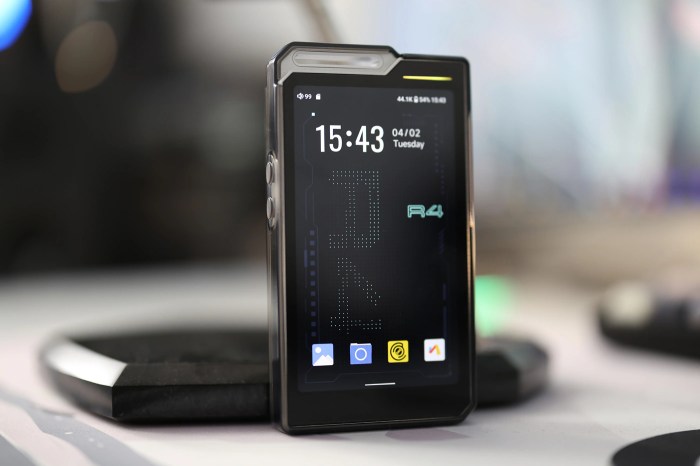
Visualizing the physical manifestation of a high-end portable media player reveals a masterclass in industrial design and acoustic engineering. The chassis is typically milled from a solid block of aerospace-grade aluminum or copper, finished with a tactile brushed texture that dampens external electromagnetic interference. Centered on the device is a vibrant, high-definition glass touch display that renders album art in rich, saturated colors while remaining isolated from the internal analog audio boards by physical copper shielding plates.
Navigating the digital landscape of android dap zqod requires precision, much like escaping to tranquil cabins with hot tubs where steaming waters melt away daily stress beneath misty pines. Embracing this serene digital evolution elevates our modern workflow, proving that mastering android dap zqod unlocks unprecedented personal growth and professional clarity moving forward.
Along the chiseled side panels, heavy-duty analog rotary potentiometers for volume control feature gold-plated contacts, offering satisfying mechanical resistance. At the base, recessed 4.4mm balanced and 3.5mm single-ended headphone jacks gleam with rhodium plating, ensuring zero signal degradation at the primary physical connection point.
Selecting the right hardware configuration ensures that digital-to-analog conversion preserves every subtle nuance of your favorite master recordings.

Source: audiophonics.fr
Modern pocket-sized audio players represent a fascinating convergence of micro-machinery and precision acoustical engineering, transforming raw binary digits into rich soundscapes. Beneath the sleek exterior of an advanced Android digital audio player lies a sophisticated ecosystem of specialized silicon and meticulously shielded circuitry designed to honor the original studio master.
The journey from a compressed or lossless digital file to a moving acoustic wave relies heavily on advanced component synergy. Industry-leading manufacturers utilize bespoke silicon architectures to handle complex multi-bit decoding tasks without introducing harmonic distortion or phase shifts.
Primary microchip architectures translating binary audio streams into breathtaking analog waves
At the beating heart of high-resolution portable hardware are elite digital-to-analog converter chips, engineered by industry pioneers such as ESS Technology and AKM. These monolithic integrated circuits employ proprietary delta-sigma modulation topologies to process immense streams of pulse-code modulation and direct stream digital data. Unlike standard smartphone audio codecs that prioritize low power consumption over fidelity, dedicated audiophile DACs incorporate massive internal parallel processing arrays.
These arrays accurately reconstruct the steep filter slopes required to eliminate ultrasonic noise while preserving the delicate transient responses of orchestral strings and vocal breaths.
Complementing the primary DAC chip, high-precision femtosecond crystal oscillators act as the unwavering metronome of the player. By maintaining ultra-low phase noise, these master clocks ensure that every single electrical transition occurs at the exact microsecond intended by the mixing engineer, eliminating timing errors before the signal ever reaches the amplification stage.
Jitter reduction techniques improving spatial positioning of instruments in a complex musical mix
Timing irregularities, commonly known as jitter, represent one of the most insidious threats to soundstage accuracy and instrument separation during digital playback. When timing errors corrupt a high-resolution audio stream, the perceived boundaries of the virtual soundstage collapse, causing complex symphonic arrangements to sound congested and blurred. Advanced portable players deploy asynchronous reclocking buffers that completely strip incoming data from its original transmission timing.
The hardware then resynchronizes the audio packets using an isolated, ultra-stable internal timebase, ensuring absolute sample-level coherence.
This aggressive jitter mitigation restores the crucial inter-channel phase relationships that our brains rely on to pinpoint the exact physical location of each instrument. Listeners frequently report an expansive, three-dimensional holographic presentation where individual performers occupy distinct, easily identifiable coordinates across a wide acoustic canvas.
Precision clocking and rigorous reclocking algorithms transform a chaotic stream of digital data into an impeccably organized, spatially expansive acoustic panorama.
Unlocking the full potential of android dap zqod requires exploring new digital horizons, much like checking off every unforgettable experience from your ultimate chicago bucket list under the glowing city skyline. Embracing this journey transforms everyday audio adventures into inspiring moments of pure discovery, ensuring your trusted android dap zqod delivers flawless performance wherever life takes you.
Engineering hurdles associated with minimizing electrical interference inside a tightly sealed portable chassis
Designing a high-fidelity portable media player involves overcoming severe electromagnetic and thermal constraints within a confined aluminum or magnesium enclosure. In a modern Android device, the proximity of high-frequency wireless components—such as Wi-Fi transmitters, Bluetooth modems, and multi-core application processors—creates a hostile environment for sensitive analog audio circuits. Every single digital switching operation generates radio frequency interference and electromagnetic radiation that can easily bleed into the audio path, manifesting as an annoying background hiss or digital whine during quiet musical passages.
To combat this persistent acoustic pollution, acoustic engineers employ multi-layered copper shielding and physical partitioning within the chassis. The power management integrated circuits and the noisy application processors are strictly isolated from the delicate audio amplification stages using Faraday cages. Furthermore, specialized conductive gaskets and specialized carbon-fiber dampening plates absorb stray electromagnetic radiation before it can contaminate the signal path.
Unlocking pure acoustic brilliance from your android dap zqod requires eliminating unwanted electrical noise that clouds your favorite tracks. By integrating a fii0 k17 ground loop isolator into your signal path, harsh buzzing vanishes instantly, revealing pristine audio clarity. Embrace this transformative breakthrough today and elevate your portable listening sessions with your trusted android dap zqod into an extraordinary journey of sound.
Thermal management introduces an additional layer of complexity, as high-performance Class-A/B or discrete headphone amplifiers generate substantial heat. Because portable chassis are tightly sealed to maintain structural rigidity and aesthetic appeal, engineers must design internal thermal conduits, often utilizing the outer metal housing itself as a massive heat sink. This prevents thermal runaway while maintaining a stable operating temperature for sensitive analog components, ensuring consistent sonic performance even during prolonged listening sessions with demanding planar-magnetic headphones.
Balanced output connections eliminating ground loop hum and signal degradation over long wire runs
The implementation of balanced headphone outputs—utilizing 2.5mm, 4.4mm, or dual 3.5mm connectors—represents a monumental leap forward in portable audio fidelity. Traditional unbalanced connections share a common ground return path for both the left and right audio channels, which inevitably leads to crosstalk and susceptibility to external electromagnetic interference. In contrast, balanced circuitry introduces inverted duplicate signals for each channel, allowing the receiving hardware to actively cancel out any noise picked up along the cable.
By routing the positive and negative phases of the audio signal through completely independent pathways, balanced architectures effectively eradicate ground loop hum and significantly increase the maximum output voltage swing. This heightened electrical headroom ensures effortless driving capability for high-impedance studio monitors, resulting in tighter bass response, immaculate dynamic contrast, and a pitch-black background void of any electrical artifacts.
Essential hardware maintenance routines for preserving the longevity of delicate audio jacks and volume potentiometers
Maintaining the physical integrity of a high-end portable media player requires disciplined upkeep to prevent mechanical wear and oxidation from degrading the listening experience over years of daily mobile use.
- Inspect physical 3.5mm and 4.4mm headphone jacks weekly for pocket lint, dust, and particulate accumulation using a non-conductive wooden toothpick or specialized optical cleaning tool.
- Apply a microscopic drop of electronic-grade contact cleaner to rotary volume potentiometers or mechanical switches annually to dissolve microscopic oxidation films and prevent scratchy static noise during volume adjustments.
- Store the portable media player in a breathable, temperature-controlled environment away from direct sunlight and excessive humidity to prevent the degradation of internal solder joints and adhesive seals.
- Avoid wrapping headphone cables tightly around the chassis of the media player during transport to prevent undue mechanical strain on the delicate solder points connecting the internal audio jacks to the main circuit board.
- Power down the Android operating system completely before inserting or swapping high-sensitivity multi-driver in-ear monitors to protect delicate crossover networks from sudden transient voltage spikes.
Pairing high-end transducers with specialized portable sources unlocks unprecedented levels of acoustic clarity and dynamic range.: Android Dap Zqod
When exquisite engineering meets uncompromising passion, the boundaries of personal audio dissolve entirely. The marriage of meticulously crafted portable playback devices and reference-grade listening gear establishes a pristine signal path that honors the original studio master. Every transient strike, every reverberant decay, and every harmonic overtone emerges from a dead-silent background, offering listeners an intimate connection to the performance that defies the physical limitations of mobile hardware.
The pursuit of ultimate sonic fidelity requires an intimate understanding of electrical synergy and acoustic behavior. Modern mobile audiophile setups bridge the gap between desktop-class power and pocket-sized convenience, transforming ordinary commutes into breathtaking acoustic sanctuaries where music reveals its deepest, most hidden dimensions.
Physical interactions between multi-driver planar magnetic in-ear monitors and low-impedance solid-state amplification circuits
Achieving optimal synergy in portable audio relies heavily on the electrical dialogue occurring between the amplification stage and the acoustic transducers. Multi-driver planar magnetic in-ear monitors present unique electrical loads that demand exceptional current delivery from the source. Unlike traditional dynamic drivers, planar magnetic diaphragms require precise damping to control membrane excursion and eliminate unwanted resonance. Low-impedance solid-state amplifiers utilize high-current output stages to maintain absolute control over these delicate drivers, ensuring that rapid transients are reproduced with lightning-fast accuracy.
When the output impedance of the portable source remains exceptionally low—typically below one ohm—the damping factor increases significantly, preventing phase shifts and frequency response anomalies caused by impedance loading. This precise electrical control allows the microscopic traces embedded within the planar diaphragm to react instantaneously to complex musical passages. Consequently, complex orchestral crescendos or dense electronic soundscapes retain their structural integrity, delivering breathtaking separation and texture across the entire audio spectrum without introducing audible distortion.
Firmware-level digital signal processing filters and frequency response customization
Modern digital audio players offer sophisticated firmware-level customization tools that extend far beyond traditional equalization. Digital signal processing filters, implemented directly within the native decoding architecture, allow listeners to fine-tune the phase response, impulse behavior, and roll-off characteristics of the digital-to-analog conversion process. These advanced algorithms manipulate the digital bitstream before analog conversion occurs, subtly shifting the acoustic presentation to align perfectly with individual anatomical preferences and transducer signatures.
Adjusting linear phase or minimum phase reconstruction filters alters the temporal alignment of high-frequency transients relative to fundamental bass notes. This surgical precision empowers enthusiasts to mitigate perceived brightness or enhance spatial depth without degrading the underlying resolution of high-resolution audio files. By tailoring these internal mathematical parameters, the portable rig adapts seamlessly to diverse musical genres, ensuring that acoustic jazz recordings breathe with natural warmth while complex metal tracks maintain razor-sharp instrumental separation.
Psychological and physiological aspects of perceiving microscopic details in uncompressed musical arrangements
Immersing oneself in ultra-high-resolution uncompressed audio triggers profound neurological and physiological responses that elevate listening from a passive activity to an immersive psychological journey. When a portable playback chain resolves microscopic details—such as the faint rustle of sheet music, the mechanical click of valve amplifiers, or the subtle resonance of a wooden soundboard—the human auditory cortex processes these spatial cues as genuine environmental data.
This heightened level of acoustic realism stimulates the release of dopamine, invoking emotional resonance and reducing cortisol levels as the nervous system relaxes into the rich sonic environment.
Physiologically, the human ear-brain system relies on interaural time differences and spectral cues to construct a three-dimensional mental image of the soundstage. Pristine uncompressed recordings processed through ultra-low-noise amplification hardware provide the exact micro-dynamics necessary to activate these cognitive mapping mechanisms effortlessly. Listeners frequently report physical sensations of goosebumps, accelerated heart rates during dynamic climaxes, and a profound sense of temporal suspension.
While configuring your android dap zqod for high-resolution audio, news reports highlight that discovering the best european countries to visit in december offers breathtaking snowy alpine views and vibrant festive markets that truly elevate your winter journey. Let this unforgettable seasonal soundtrack guide your portable android dap zqod toward remarkable new audio heights today.
This psychological phenomenon demonstrates that our appreciation of high fidelity transcends mere frequency measurements, tapping directly into our evolutionary need for spatial awareness and emotional storytelling through sound.
Clinical studies in psychoacoustics indicate that exposure to ultra-low harmonic distortion and wide dynamic ranges decreases listener fatigue during extended sessions. When the brain does not have to expend cognitive energy decoding masking artifacts or harsh intermodulation distortion, it can fully dedicate its processing capacity to appreciating the artistic nuance of the performance. This seamless acoustic transparency fosters a meditative state of deep focus, proving that the pursuit of audio perfection yields tangible wellness benefits for the modern listener.
Rigorous listening test procedures for evaluating transient response and bass texture
Validating the acoustic performance of a newly acquired mobile audio rig requires a systematic, repeatable evaluation methodology. Subjective impressions gain validity when assessed against specific musical passages known to challenge hardware limitations. The following structured testing protocol isolates critical performance vectors, ensuring a thorough assessment of transient speed, micro-dynamics, and low-frequency resolution.
- Select three uncompressed reference tracks featuring distinct production styles: a live acoustic jazz recording for natural timbre, a complex orchestral piece for soundstage imaging, and a modern electronica track featuring heavily layered sub-bass frequencies.
- Begin the evaluation at a calibrated, moderate listening volume to prevent auditory fatigue, utilizing identical high-resolution digital audio files across all testing phases.
- Focus exclusively on the initial attack and subsequent decay of percussion instruments, such as snare drums and acoustic guitar plucks, noting whether the presentation feels instantaneous or slightly smeared.
- Evaluate the lowest octave of the frequency spectrum during dense instrumental passages to determine if bass notes maintain distinct pitch definition, texture, and layering rather than bleeding into the midrange.
- Switch between different digital filter settings within the firmware to observe alterations in spatial depth and transient edge sharpness, documenting the precise configuration that offers the most natural realism.
Troubleshooting methods for common portable audio anomalies
Even the most meticulously engineered portable high-end audio chains occasionally encounter operational anomalies that disrupt the listening experience. Identifying the root cause of unexpected acoustic artifacts requires a methodical diagnostic approach. The following reference guide Artikels effective troubleshooting strategies for resolving common hardware and software interference issues.
- Static Bursts: Usually caused by clock synchronization errors or electromagnetic interference from nearby wireless devices. Resolve this by resetting the digital audio player, disabling Wi-Fi and Bluetooth modules, and ensuring all audio files are properly indexed without corruption.
- Driver Imbalance: Frequently stems from oxidized analog potentiometer tracks, asymmetric output impedance, or improperly seated cable terminations. Address this by cleaning headphone connectors with deoxidizing fluid, verifying balanced cable pinouts, and checking software balance settings within the firmware menu.
- Intermittent Connection Drops: Typically originates from physical wear on modular connectors, dirty USB-C ports, or loose MMCX/2-pin transducer sockets. Fix this by clearing pocket lint from data ports, gently expanding spring contacts on detachable cables, and ensuring secure, flush mating between the plug and jack.
Pristine acoustic transparency is not merely an engineering achievement; it is the ultimate bridge between the artist’s intent and the listener’s soul, revealed only when every link in the signal chain performs in absolute harmony.
Optimizing battery longevity and thermal dissipation guarantees reliable operation during extended listening marathons far away from wall outlets.
Embarking on a long-haul journey far from any electrical grid demands unwavering reliability from your portable audio gear, transforming power management into a critical art form. Audiophiles frequently discover that maintaining peak hardware performance requires a meticulous balance between electrical endurance and thermal equilibrium. When high-capacity lithium-ion cells meet tightly sealed metal chassis, understanding the unseen forces of electrochemistry and heat transfer becomes essential for preserving your investment.
Modern high-resolution portable players push engineering limits to deliver desktop-grade sound quality in the palm of your hand, yet this incredible sonic capability generates significant internal demands. Mastering the delicate interplay between battery degradation pathways and passive cooling efficiency ensures that your acoustic sanctuary remains uninterrupted, no matter how many miles you travel away from a wall outlet.
Every portable audio enthusiast knows the quiet anxiety of watching battery percentages drop during a breathtaking listening session, making proactive power optimization an indispensable skill. As high-gain amplification circuits draw heavy currents to drive demanding planar magnetic or dynamic transducers, the internal power architecture undergoes continuous stress. Protecting the longevity of your device requires looking past simple screen brightness adjustments to address the microscopic electrochemical reactions happening deep within the power supply.
Implementing strategic system-level modifications allows listeners to safeguard their hardware against premature capacity fade while keeping every micro-detail of the master recording pristine and untouched.
Chemical degradation pathways of lithium-ion power cells
Lithium-ion batteries serve as the beating heart of modern portable audio players, yet they are subject to relentless microscopic wear during everyday use. Rapid charging protocols force lithium ions to intercalate into the graphite anode at unsustainable speeds, occasionally leading to localized metallic lithium plating rather than smooth absorption. This plating phenomenon permanently diminishes the active lithium inventory and gradually thickens the solid electrolyte interphase layer over time.
Furthermore, continuous high-gain playback demands elevated discharge currents that generate internal resistive heating, accelerating electrolyte decomposition and structural cathode degradation. When these combined stressors occur repeatedly, the overall cell capacity drops noticeably, and the internal impedance rises, which can eventually destabilize transient response delivery during complex musical peaks.
Advanced power-saving configuration tweaks
Unlocking extended operational hours without sacrificing sonic purity involves systematically silencing the invisible background processes that silently drain your battery. Disabling unused hardware interfaces such as 2.4GHz Wi-Fi, Bluetooth transmitters, and location-tracking modules eliminates stray electromagnetic interference that can otherwise bleed into the sensitive audio path. Additionally, freezing non-essential background applications and disabling cloud synchronization services prevents the main system-on-chip from waking up unnecessarily during quiet passages.
Lowering the kernel’s CPU frequency scaling governor to a more conservative profile ensures that the processor only ramps up power when performing heavy bit-rate decoding tasks. By ruthlessly pruning these parasitic background tasks, the device maintains an uncompromised, bit-perfect data stream directly to the digital-to-analog converter while extending field endurance significantly.
Precise calibration of background polling intervals transforms energy waste into pure acoustic runtime, preserving the pristine signal-to-noise ratio required for high-resolution audio reproduction.
Thermodynamics of passive cooling systems within CNC milled aluminum enclosures, Android dap zqod
Managing heat generation inside a compact portable device enclosure represents one of the most demanding engineering challenges in modern acoustic hardware design. When high-performance digital signal processors and Class-A operational amplifiers operate continuously, they convert electrical energy into substantial thermal waste that must be dissipated efficiently. Solid blocks of aerospace-grade aluminum, shaped meticulously through computer numerical control machining, act as massive thermal sponges that absorb and distribute this localized heat energy.
The high thermal conductivity of aluminum quickly transfers thermal energy away from delicate microchip junctions toward the expansive outer shell of the device. From there, natural convection and thermal radiation dissipate the heat directly into the surrounding ambient air, establishing a stable equilibrium without requiring noisy mechanical cooling fans. Inside this sealed metal sanctuary, microscopic thermally conductive silicone pads bridge the physical gap between high-temperature integrated circuits and the inner chassis walls.
This continuous thermal bridge prevents hot spots from developing near sensitive capacitor banks and clock crystals, ensuring that thermal expansion does not induce mechanical stress on microscopic solder joints. As ambient temperatures fluctuate during outdoor listening sessions, the massive specific heat capacity of the thick aluminum housing acts as a thermal flywheel. Real-life engineering cases from premium portable audio manufacturers demonstrate that optimizing wall thickness and internal fin patterns reduces peak chip temperatures by up to twelve degrees Celsius under heavy high-gain loads.
Consequently, the digital-to-analog conversion stages operate within their ideal thermal window, avoiding the subtle clock jitter and distortion artifacts that routinely plague overheating semiconductor components.
Undervolting the main processing unit for extended runtime
Modern mobile processors often leave the factory operating at overly generous voltage margins designed to accommodate low-quality silicon variations across mass production runs. By systematically undervolting the core processor through custom kernel adjustments, audio enthusiasts can slash dynamic power consumption without reducing clock speeds or introducing computational instability. Because dynamic power scales quadratically with operating voltage, even a modest reduction in core voltage yields a dramatic decrease in thermal output and current draw.
This optimization allows the digital audio player to decode ultra-high-definition DSD and FLAC files effortlessly while sipping minimal power from the main reservoir. Crucially, this electrical tuning leaves the dedicated audio clock and data paths completely isolated, ensuring that the bit-perfect stream remains utterly uncorrupted by CPU timing jitter or processing bottlenecks.
To assist in planning your mobile listening sessions and evaluating hardware endurance, the following data Artikels performance profiles across various operational scenarios.
| Operating Mode | Battery Capacity | Typical Playback Hours | Idle Current Draw |
|---|---|---|---|
| Pure Offline Local Audio (Low Gain) | 5000 mAh | 18 – 22 Hours | 45 mA |
| Streaming High-Res Wi-Fi (Medium Gain) | 5000 mAh | 10 – 12 Hours | 120 mA |
| Balanced Output Heavy DSP (High Gain) | 5000 mAh | 6 – 8 Hours | 210 mA |
| Standby Deep Sleep Mode | 5000 mAh | 250+ Hours (Estimated) | 5 mA |
End of Discussion
Source: audiophile-heaven.com
Embracing these advanced portable listening systems unlocks an unprecedented world of dynamic range and acoustic depth, transforming every offline track into a breathtaking encounter with pure musical brilliance. By thoughtfully managing hardware configurations, thermal limits, and local storage arrays, true enthusiasts can sustainably elevate their daily sonic adventures to extraordinary new heights.
